



Israel’s Parliament Passes Controversial Budget Amid Ongoing Conflicts
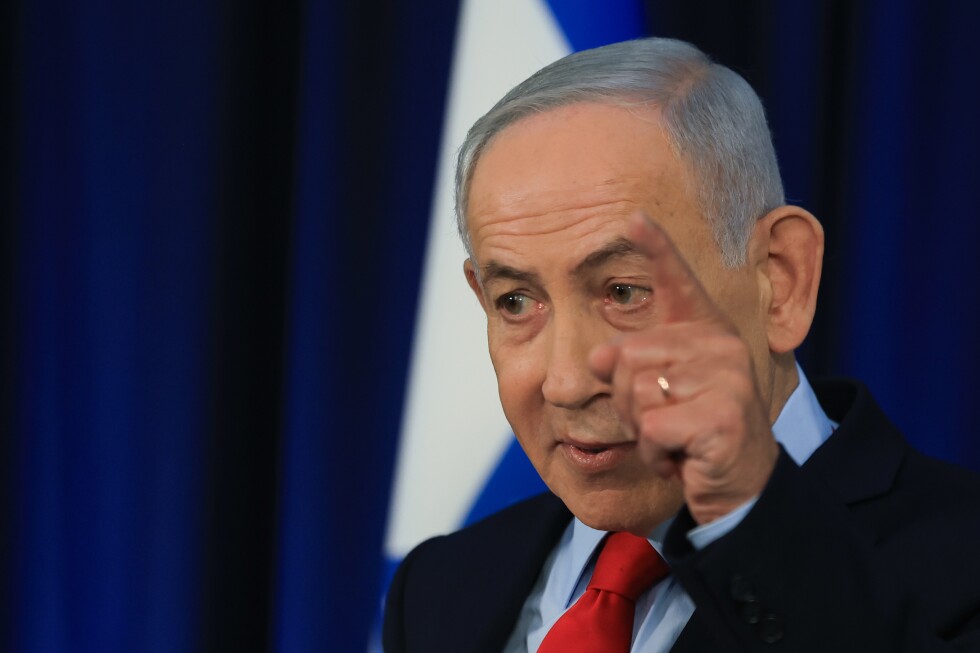
TEL AVIV, Israel (AP) — In a lengthy overnight session, Israel’s parliament confirmed its annual budget on Monday, securing the continuation of Prime Minister Benjamin Netanyahu’s government through the fall.
Budget Passage and Political Implications
To avoid triggering early elections, Israel needed to finalize its budget by April 1. However, Netanyahu retains the authority to call for early elections should the situation demand it.
Opposition Criticism
The opposition has strongly criticized the newly passed budget, particularly for its increased allocation of funds to Israel’s ultra-Orthodox communities. This has raised eyebrows as the nation grapples with escalating costs linked to its ongoing war with Iran and the lingering effects of a two-year conflict in Gaza.
Opposition leader Yair Lapid denounced the budget as “the greatest theft in the state’s history,” while former Prime Minister Naftali Bennett described it as a “nocturnal heist.”
Contentious Amendments
One of the most contentious elements of the budget was a last-minute amendment allocating an additional $250 million to ultra-Orthodox schools. The community has faced increasing scrutiny for its reluctance to allow its young men to serve in the military, at a time when Israel urgently needs more troops due to mandatory military service requirements.
Government’s Standpoint
Despite the backlash, Far-right Finance Minister Bezalel Smotrich defended the budget, asserting it addresses the needs of all Israeli citizens without exception.
Current Political Landscape
As Netanyahu’s government approaches the final months of its four-year term, it is obligated to conduct elections by the end of October. While such governments frequently do not see their terms through, passing the budget may allow Netanyahu, whose popularity has dwindled since Hamas’ attack on October 7, 2023, to serve out the remainder of his term.
Ongoing Conflicts and Economic Impact
Despite the budget’s passage with a vote of 62-55, discussions were interrupted multiple times by sirens warning of missile strikes originating from Iran. This vital session took place in a secure auditorium closer to bomb shelters, illustrating the current volatility in the region.
The $270 billion budget marks Israel’s largest ever, highlighting a 20% increase for the Ministry of Defense to counter the ongoing conflict with Iran, raising its budget to $45 billion. This escalation has necessitated cuts in other government sectors.
Public Sentiment and Future Elections
Recent opinion polls indicate that while the Israeli populace largely supports military actions, Netanyahu and his coalition are struggling to gain traction. The continuous threat from Iranian missiles has unsettled the lives of countless anxious citizens, while tensions with Hezbollah in Lebanon increase and oil supply disruptions alter the global economy.
Delaying elections until fall may provide Netanyahu an opportunity to capitalize on public sentiment regarding the Iran war, although this timing coincides closely with the anniversary of the October 7 attack, which marks one of the darkest days in Israeli history.
Wartime Guidelines Extended
In light of the ongoing conflicts, Israel’s military has extended its wartime guidelines for civilians, which discourage large gatherings and encourage proximity to bomb shelters. These measures will affect at least the beginning of the upcoming weeklong Passover holiday, starting Wednesday.
