



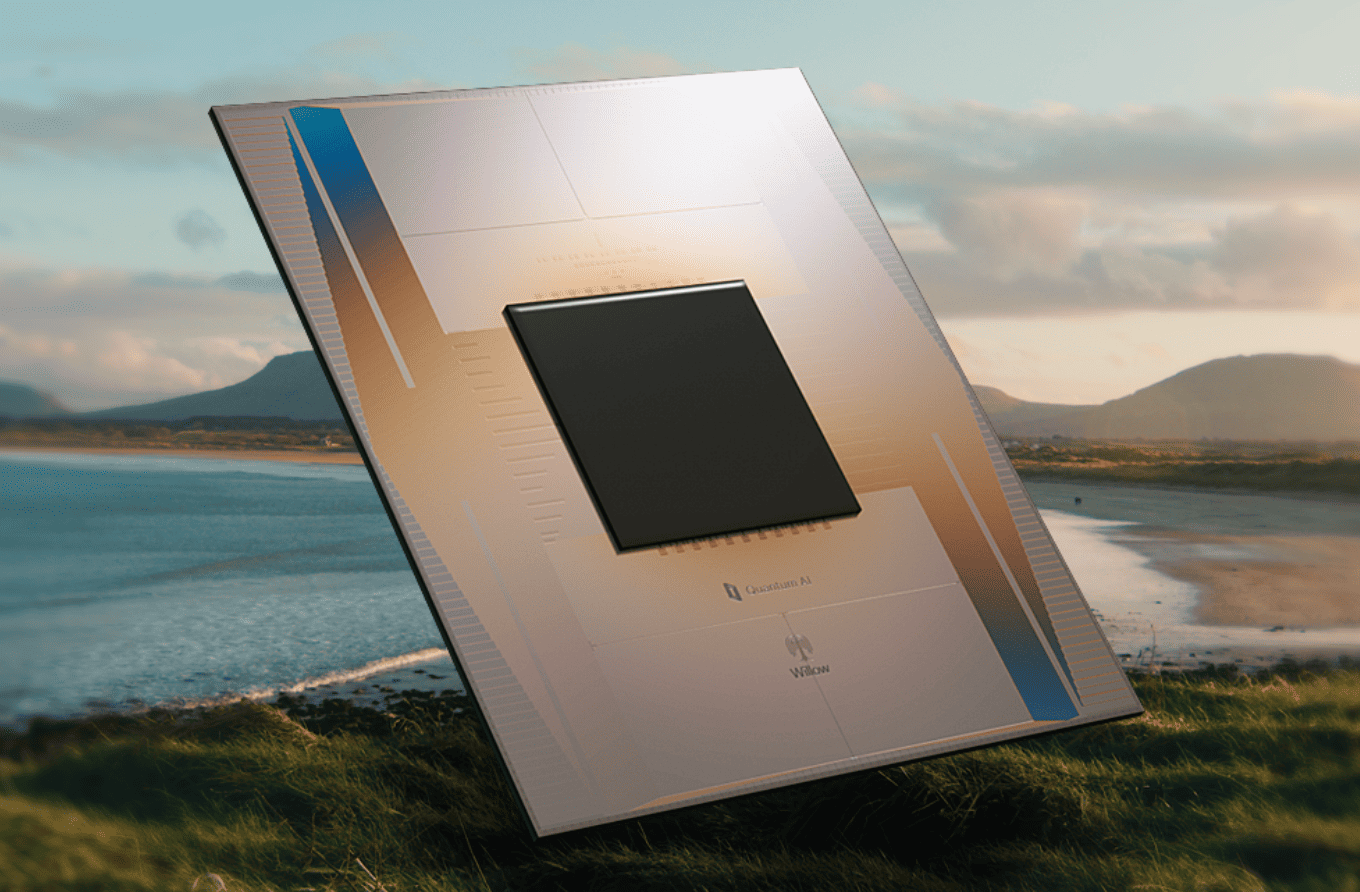
Google Launches Willow Early Access Program for Quantum Computing Research
Insider Brief: Exclusive access to Google’s quantum processor opens new frontiers in quantum experimentation.
What is the Willow Early Access Program?
Google has unveiled the Willow Early Access Program, an initiative designed to grant selected researchers early access to its cutting-edge quantum processor. This program aims to facilitate groundbreaking experiments and exploration of potential quantum computing applications.
Application Process and Requirements
Interested researchers must submit anonymized proposals by May 15, 2026. Their submissions should detail executable quantum circuits alongside measurable outcomes. To ensure the effective execution of experiments, each team is required to designate at least one dedicated researcher, such as a Ph.D. student or postdoctoral fellow.
Focus on Feasibility and Impact
The selection process emphasizes the feasibility of proposals based on current hardware limitations, such as noise and error rates. Reviewers will also assess the potential for high-impact scientific results or the introduction of new experimental techniques. This dual focus aims to advance quantum research significantly.
Encouraging Innovative Experiments
By incentivizing tailored experiments that leverage the unique capabilities of the Willow processor, Google aims to move beyond traditional simulations. Researchers are encouraged to propose observable outcomes that could lead to significant scientific publications, pushing the limits of what classical systems can achieve.
A Trend Towards Controlled Access
The Willow Early Access Program reflects a broader trend in quantum computing, where companies are increasingly offering controlled access to their advanced systems. By limiting participation and focusing on clearly defined experiments, Google seeks to extract high-value research outcomes while navigating the challenges of developing quantum hardware.
Looking Ahead: Key Dates and Guidelines
Following the submission deadline on May 15, 2026, successful applicants will be announced by July 1, 2026. This timeline allows researchers to quickly transition from concept to implementation, leveraging the limited access window for tangible results that could impact the field of quantum computing.
