



Rising Prices of SanDisk External SSDs: A Growing Concern
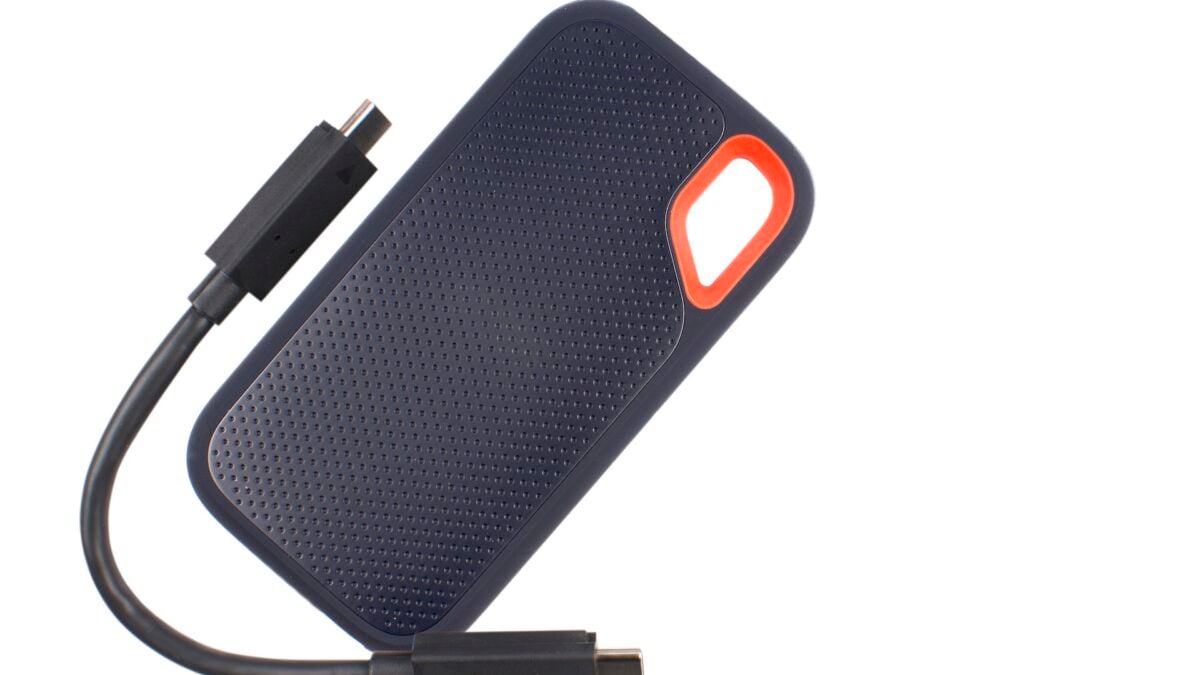
SanDisk external SSDs, famously designed with large keychain loops, have long been a favorite among everyday consumers for their convenience and sleek appearance. While they offer a relatively inexpensive way to store terabytes of data, seasoned professionals and data enthusiasts often question their reliability.
Price Surge at Apple Stores
Recently, however, buying external SSDs from Apple has become a much pricier endeavor. A significant increase in pricing reflects the ongoing demand for hardware driven by AI data centers. Just last week, Apple raised the prices of both MacBook Air and MacBook Pro models by $100, signaling a broader trend of escalating costs across their product lineup.
Staggering Price Increases for SanDisk Drives
Mark Gurman from Bloomberg highlights that external storage prices have also soared. An example: a SanDisk 4-terabyte solid-state drive, previously marked at approximately $500, has now skyrocketed to $1,200. Meanwhile, the price for a 1-terabyte version has jumped from $120 to $360—a staggering increase of around 200%.
Comparative Price Hikes
These price hikes are becoming unbearable, drawing parallels to daily expenses like gas, which are also on an upward trend. While Apple isn’t directly setting these rates for their external drives, it’s evident that market forces are driving prices to unprecedented levels.
The Role of Vendors and Apple’s Pricing Policy
It is important to note that external drive pricing is primarily determined by vendors, not Apple itself. Nonetheless, according to the legal page on the Apple Store website, the company retains the right to change prices and correct any inadvertent pricing errors at any time. This raises questions about the pricing decisions and their impacts on consumers.
The Broader Impact of the AI Boom
The surging demand for storage and RAM is primarily driven by the booming AI industry. As highlighted by my colleague, Kyle Barr, major AI data center projects require vast amounts of high-bandwidth memory (HBM). Consequently, semiconductor manufacturers are prioritizing production for these high-end memory chips, often at the expense of consumer-level DRAM and SSD storage.
Storage Market Trends
As a result of these shifts, not only SSDs are experiencing price increases; the hard drive market is beginning to feel the strain as well. Currently, hard drives offer a cheaper alternative to SSDs, yet prices continue to rise. For instance, January data revealed that hard drives are now priced 46% higher than in September of the previous year.
In conclusion, the landscape of external SSD pricing is changing rapidly, influenced by an array of factors including the AI boom and vendor decisions. Consumers must navigate these rising costs judiciously, weighing their storage needs against the current market trends.
