



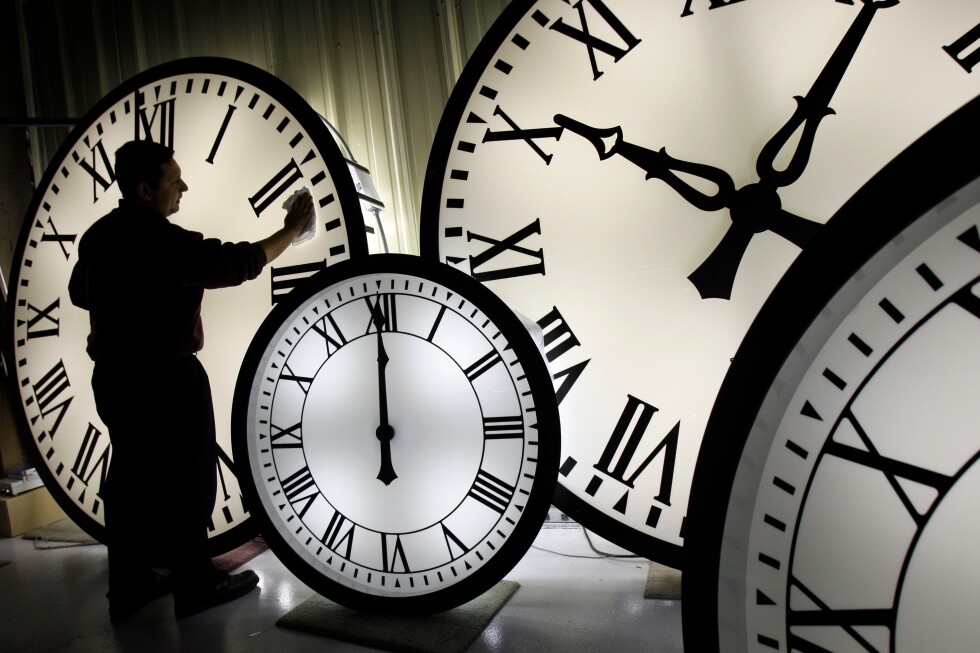
The Time Change Debate: Daylight Saving Time or Standard Time?
As clocks leap forward an hour at 2 a.m. on Sunday for daylight saving time across most of the U.S., many find themselves grappling with a shortened day of just 23 hours. This annual shift not only disrupts sleep schedules but also casts early-morning walks into darkness, prompting a wave of discontent from millions.
The Dilemma of Changing Clocks
Despite widespread dissatisfaction with the biannual clock adjustment—reflected in recent polls—efforts to alter the system have been stymied. The American public is sharply divided on the implications of making daylight saving time permanent or reverting to standard time. For instance, adopting permanent daylight saving time could cause the sun to rise around 9 a.m. in Detroit during winter, while standard time could see the sun up at 4:11 a.m. in Seattle in June, raising concerns about practicality and lifestyle.
History of the Clock Change
The U.S. has experimented with clock changes since the late 19th century, with around 140 countries having implemented daylight saving time at some point. Currently, approximately half of those still adhere to this practice. According to an AP-NORC poll, only about 10% of American adults favor the current system, while almost half would prefer to make daylight saving time permanent.
Policy Challenges
Since 2018, 19 states have passed legislation to adopt permanent daylight saving time. However, for such a shift to take place, congressional approval is required, as occurred during World War II and a brief period in 1974. While the Senate passed a bill in 2022 to make daylight saving time permanent, a corresponding House bill has yet to be voted on.
Sleep Experts Weigh In
Advocates for standard time, including sleep experts, argue for its benefits. They assert that having sunlight at noon optimally supports daily activities and well-being. “Morning light is critical for setting our circadian rhythms,” states Karin Johnson, a professor at the University of Massachusetts Chan Medical School. Experts have linked the clock change to increases in health risks like fatal vehicle accidents and heart attacks.
Obstacles to Change
Only Arizona and Hawaii currently opt out of daylight saving time. In recent years, several states have introduced bills to switch to permanent standard time, though many include contingencies related to neighboring states to avoid confusion. Recent legislative efforts, like those in Virginia, face delays and setbacks.
Call for State Decisions
Scott Yates, founder of the website Lock the Clock, urges the federal government to end the biannual clock change and allow states to choose between daylight saving time or standard time. In the interim, he advises employees to suggest a later start time on the Monday following the time change, advocating for safety and proper rest.
