



Intensifying Conflict: US-Israel Military Operations in Iran
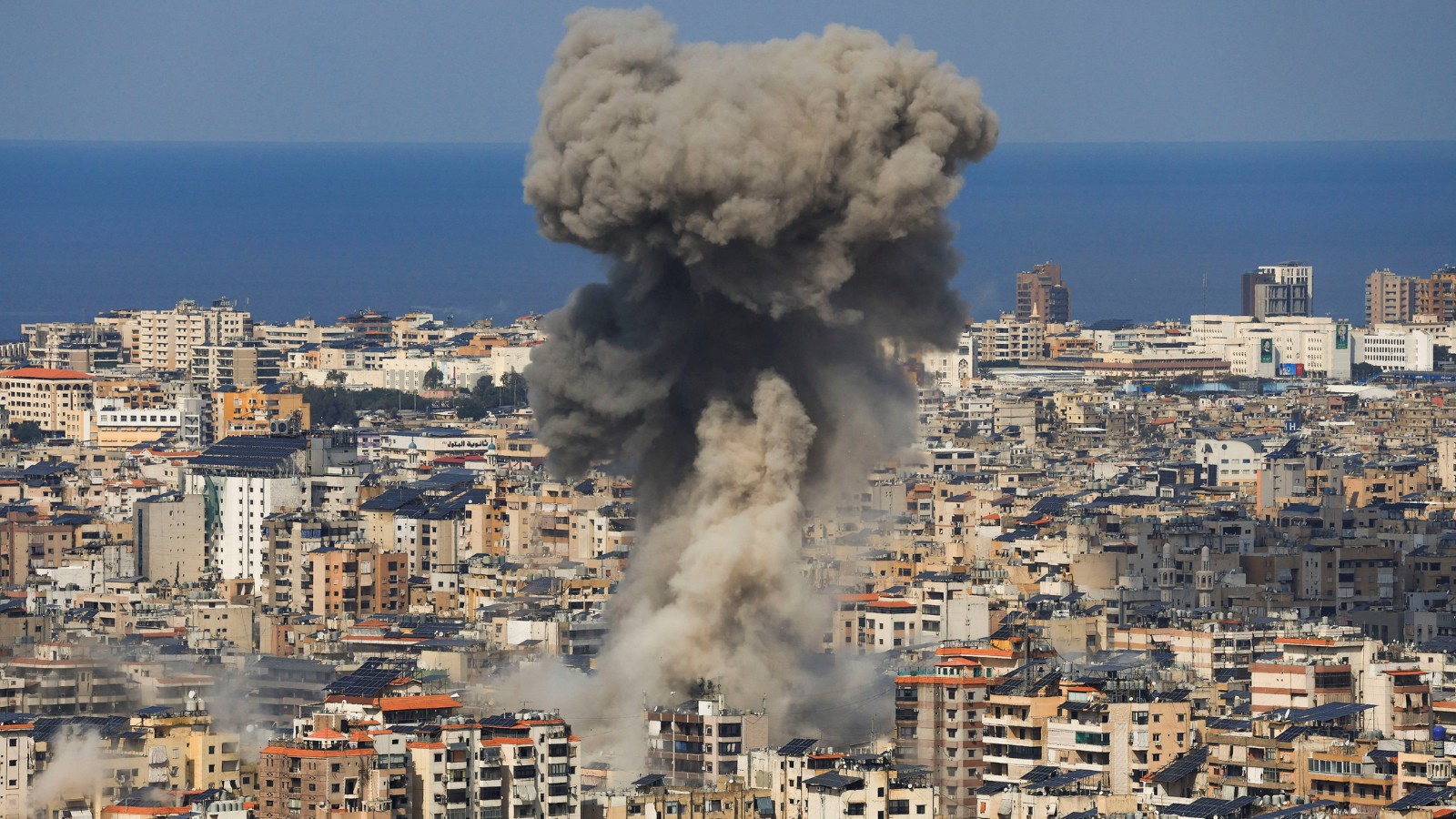
Smoke rises after an Israeli strike on Beirut’s southern suburbs, as tensions escalate between Hezbollah and Israel amid the growing US-Iran conflict. (REUTERS photo)
The geopolitical landscape of the Middle East has escalated into a critical flashpoint as military operations enter their fifth day. In a significant development following the confirmed death of Supreme Leader Ali Khamenei on February 28, US and Israeli forces have dramatically intensified “Operation Epic Fury.” This campaign aims to strike over 1,250 military targets across Iran, targeting key ballistic missile hubs, naval assets, and intelligence facilities to cripple Tehran’s nuclear and military capabilities.
Escalation of Hostilities
As Iran vows a “scorched earth” response, the ramifications of this military campaign are echoing throughout global markets. The price of gold has seen slight corrections from record highs but remains alarmingly elevated, hovering around $5,100 per ounce, underscoring market fears concerning potential disruptions in the critical Strait of Hormuz.
Recent Developments on the Ground
Heavy explosions continue to shake Tehran’s government districts, with Iranian state media reporting at least 165 casualties following strikes in the port city of Minab. The urgency of the situation is palpable, with Iranian forces scrambling to respond to the intensified offensive.
Leadership Changes
In the wake of Khamenei’s death, President Masoud Pezeshkian has invoked Article 111 of the Iranian Constitution, which mandates the establishment of a provisional Leadership Council to oversee the transition of power. This power vacuum raises further concerns regarding Iran’s stability amidst ongoing military operations.
US Military Involvement
Amidst these tumultuous developments, President Donald Trump has characterized the military offensive as a “last chance” to secure regional stability and thwart Iran’s nuclear ambitions. The Central Command (CENTCOM) has confirmed the first American casualties during the ongoing ground and air operations, heightening public concern over US military engagement in this escalating conflict.
Global Repercussions
As the conflict unfolds, France has mobilized Rafale jets to safeguard regional assets, showcasing international concern regarding the crisis. Additionally, Qatar’s suspension of LNG production presents a significant blow to global energy markets, while drone strikes targeting Oman’s Duqm port fuel infrastructure have further exacerbated tensions.
Risks to Oil Transit
With oil transit through the Strait of Hormuz now at “extreme risk,” reports from the IRGC-affiliated Tasnim news agency suggest the waterway could be closed to all commercial shipping. This potential closure would have immediate and far-reaching consequences on global oil supply and prices, prompting a worldwide alert in energy markets.
In this rapidly changing scenario, The Indian Express Global Desk emphasizes the importance of official military briefings from the Israeli Defense Forces (IDF) and CENTCOM, supplemented by satellite intelligence. Accurate casualty figures and updates are sourced from reputable reporting agencies. Given the fluid dynamics of the situation in Tehran and the Gulf, we urge readers to remain vigilant and consult official government travel advisories for up-to-date information.
Stay informed on this developing story—click here to follow us on Instagram.
© IE Online Media Services Pvt Ltd
