



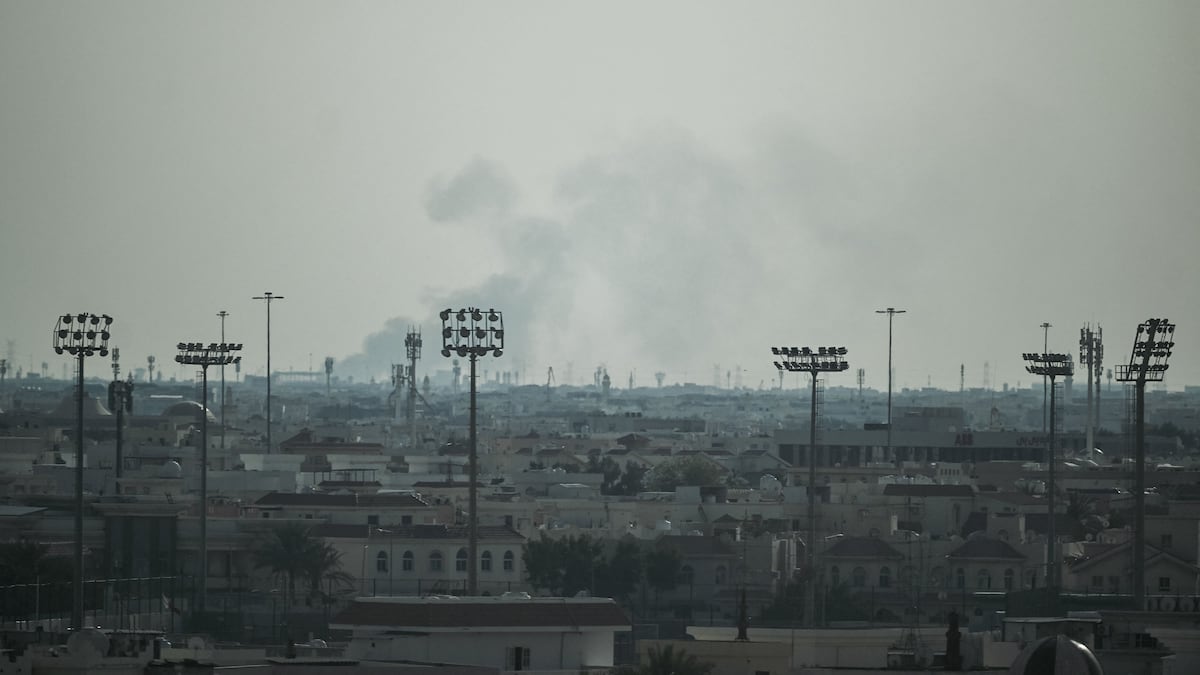
Florida Politicians React to US and Israel’s Actions Against Iran
Following recent military strikes involving the United States and Israel against Iran, Florida politicians have expressed a myriad of opinions, reflecting the polarized nature of American politics. The reactions span across party lines, with both Democrats and Republicans voicing their perspectives on the unfolding situation in the Middle East.
Democratic Concerns Over Military Action
Democratic lawmakers from Florida have been vocal critics of the military strikes. They argue that these actions are illegal under international law and question the legality of President Trump’s war powers. The Democrats stress the need for Congress to play a vital role in decisions regarding military engagement, emphasizing the constitutional mandate for legislative approval.
Republican Perspectives
On the other side of the aisle, Florida Republicans have largely supported the president’s actions, framing them as necessary for national security. However, dissenting voices within the party have emerged. Some Republican lawmakers have criticized their colleagues, such as Thomas Massie, for pushing against Trump’s war powers, arguing that such actions undermine national security efforts.
Calls for Congressional Action
In light of the escalating tensions, both Democratic and some Republican lawmakers are calling for a congressional vote to limit President Trump’s authority regarding military operations in Iran. This move is seen as a necessary step to ensure checks and balances are maintained in the face of military engagement.
The Impact on US Foreign Policy
The situation presents a significant challenge for US foreign policy, particularly in the Middle East. Florida lawmakers are expressing concerns about stability in the region and the potential for further escalation of conflict. The consensus among many is that dialogue and diplomatic efforts should be prioritized over military action.
Public Opinion in Florida
In Florida, public opinion reflects a mix of support and opposition regarding the military strikes. Citizens are increasingly aware of the implications of military actions abroad and are urging their representatives to consider the long-term consequences for both the US and its allies.
Conclusion
The varied reactions from Florida’s political landscape highlight the complexities of military engagement and the need for a more inclusive and transparent decision-making process. As Congress prepares to address Trump’s war powers, the dialogue surrounding military intervention and foreign policy continues to evolve, leaving many citizens eager to see how their leaders will navigate these critical issues.
