



The U.S. Reasserts Control Over Compact States in the Pacific
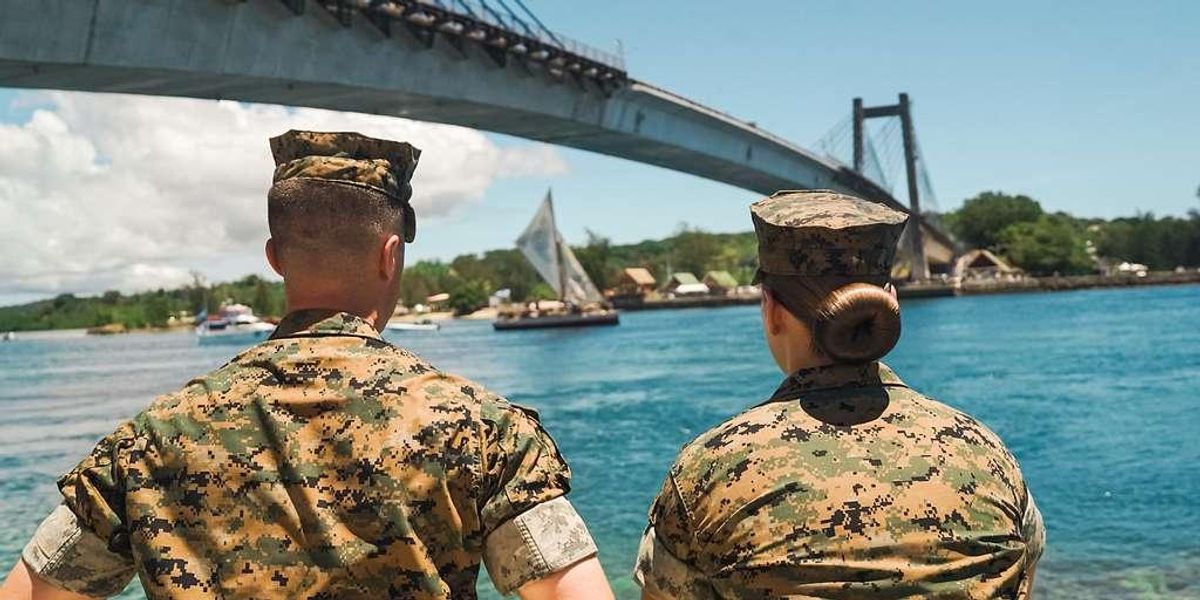
The United States is strategically working to strengthen its influence over the compact states—three island nations in the central Pacific Ocean. Recent congressional hearings revealed that the Trump administration is expanding military and intelligence operations in Palau, the Marshall Islands, and the Federated States of Micronesia, all of which are vital for U.S. geopolitical interests, particularly in countering China’s rising influence.
Importance of the Compact States
According to State Department official Tony Greubel, these countries are increasingly central to U.S. security and global stability. The strategic sea lanes, abundant resources, and vibrant communities in this region have become more significant amid escalating geopolitical competition. U.S. lawmakers are keenly aware that maintaining military control in these regions is crucial for securing America’s interests in the Pacific.
Preserving Military Dominance
Despite criticisms regarding imperialistic tendencies in other regions, bipartisan agreement exists among U.S. legislators to maintain military presence in the compact states. Representative Addison McDowell (R-NC) emphasized the importance of this foothold, asserting that losing it would be irretrievable. Lawmakers are rallying to support the Trump administration’s long-standing system of compact colonialism, with Representative Jared Huffman (D-CA) urging vigilance to preserve U.S. military dominance.
Compact of Free Association (COFA)
For decades, the United States has governed the compact states through a COFA, which grants exclusive military control while providing economic assistance and visa-free access to the U.S. The latest renewal in 2024 will see these states receiving $7.1 billion in funding over the next 20 years. However, U.S. control comes at the expense of their sovereignty, limiting their ability to form their own security arrangements.
Concerns Over Chinese Influence
As lawmakers express concerns over China’s ambitions in the Pacific, there are fears regarding its attempts to establish a foothold in the compact states. Reports indicate that China is allegedly trying to push the U.S. out of its strategic backyard. Additionally, issues like compact migration due to poor living conditions compound existing challenges, leading Washington to focus on both geopolitical strategy and territorial integrity.
Climate Change as an Existential Threat
Amid these geopolitical maneuvers, the compact states face a more pressing issue: climate change. Leaders from the Pacific Islands have signaled that climate change poses an existential threat to their communities. United Nations discussions have underscored the necessity for urgent action, reminding global leaders of their obligations to combat climate change and protect vulnerable populations.
Conclusion: A Dual Focus on Security and Sovereignty
While U.S. officials argue that their military operations protect the compact states from foreign influence, critics point out the contradictions in these claims. Legislative support for maintaining a military presence often runs counter to the ideals of self-determination and regional sovereignty. As the U.S. continues to prioritize its geopolitical strategies in the Pacific, it must also address the urgent humanitarian and environmental challenges faced by the compact states, ensuring a balanced approach to security and sovereignty.
