



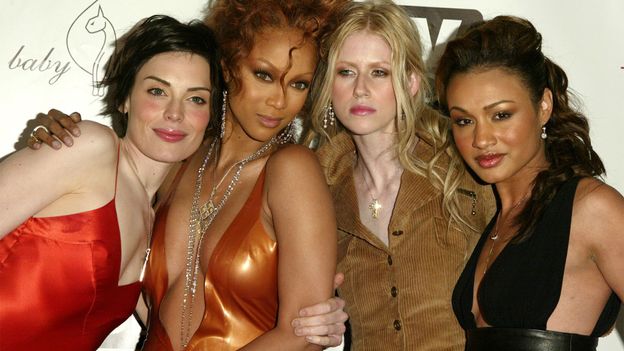
Reflecting on America’s Next Top Model Through a 2025 Lens
As the buzz surrounding the Netflix series “Reality Check: Inside America’s Next Top Model” grows, we take a moment to reflect on how the perception of the show has evolved over the years. This retrospective not only highlights the show’s cultural impact but also showcases the regrets expressed by its creators and contestants.
Regrets from the Creators
Tyra Banks, one of the most recognizable faces of the franchise, has openly expressed her regrets regarding specific moments from the show. In a candid acknowledgment, she remarked, “I knew I went too far. I lost it…” referencing her infamous moments of anger that left a mark on viewers. Similarly, Mok, a key player in the show’s production, stated, “I take full responsibility for that shoot,” alluding to the controversial “crime scene”-themed challenge. He admits, “That was a mistake. It was a celebration of, like, violence,” reflecting a profound sense of accountability for past decisions.
Diverse Opinions on Relitigating the Show
Not everyone agrees with revisiting the show through a contemporary lens. Season one winner, Adrianne Curry, has voiced her discontent with the series “Reality Check,” advocating that judging a show from two decades ago based on today’s standards feels futile. She stated, “I think people psychoanalyzing it over 20 years later with a woke lens is absurd,” highlighting the divide between participants’ perspectives and the evolving societal standards.
The Need for Reexamination
Despite the mixed reactions, many believe that even older shows warrant a reevaluation. Lindemann argues that it’s essential to recognize both the positive and negative impacts that such cultural artifacts have had on society. “Knowing what I know now, viewing this cultural work doesn’t give me the same pleasure anymore, because I recognize its harms,” she reasoned, emphasizing the duality of nostalgic enjoyment paired with contemporary awareness of potential societal harm.
Evolving Views on Problematic Elements
The change in perspective allows for a more nuanced understanding of the show’s legacy. Lindemann pointed out, “This is not to say that everyone who participated in a problematic show is an absolute monster – just that we have a different lens for viewing it now.” She asserted the importance of recognizing the problematic elements of the show that, even then, warranted critical thought and discussion.
A Product of Its Era
“America’s Next Top Model” has always been a mirror reflecting the modeling industry of its time, albeit with a funhouse twist. As Lindemann articulates, “ANTM was very much a product of its time.” This acknowledgment serves to remind viewers that many reality shows were created amidst societal norms that seem archaic by today’s standards.
Looking Ahead: What’s Next?
With the release of “Reality Check: Inside America’s Next Top Model” on Netflix on February 16, audiences are invited to engage with the show’s legacy in a new way. Whether celebrating the high points or addressing the controversies, it is clear that ANTM remains a pivotal aspect of reality TV history and cultural conversation.
