



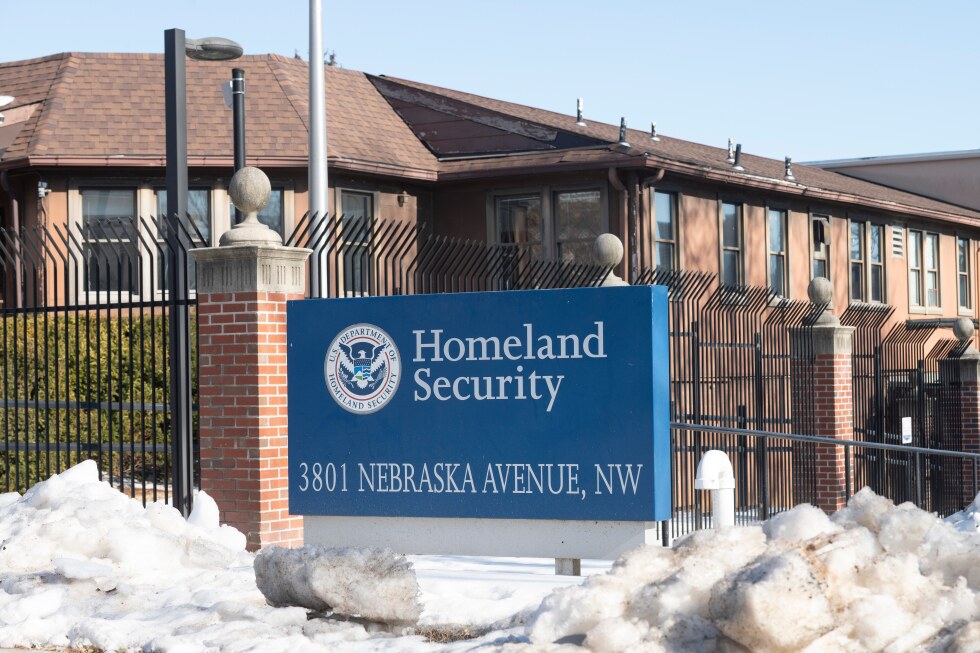
Anticipated Government Shutdown: Implications for Homeland Security and Immigration Enforcement
This weekend, parts of the federal government are set for another shutdown as lawmakers continue to debate new limitations on President Donald Trump’s immigration enforcement policies. Funding for the Department of Homeland Security (DHS) is scheduled to expire, prompting urgent discussions and negotiations between lawmakers.
Background on the Funding Crisis
The backdrop to the funding stalemate is the recent tragic incident in Minneapolis, which involved the fatal shooting of Alex Pretti and Renee Good. In light of this, Democrats assert that they will not support additional funding until new measures are enacted to reform immigration enforcement practices. As discussions between the White House and congressional Democrats continue without resolution, a funding lapse for DHS appears inevitable.
Scope of the Shutdown
This latest shutdown will be more limited compared to the record 43-day closure earlier last year, primarily impacting agencies falling under the DHS umbrella, such as Immigration and Customs Enforcement (ICE) and Customs and Border Protection (CBP). However, a prolonged shutdown could have cascading effects on federal employees, with many potentially facing missed paychecks.
Potential Impacts on Airport Security
As the shutdown unfolds, essential services like airport screening could also be affected. The Transportation Security Administration (TSA) considers approximately 95% of its workforce essential, meaning they will be required to continue working without pay during the funding lapse. Previous shutdowns have shown that financial stress can lead to high absenteeism rates among TSA personnel, affecting operational efficiency.
Reasons Behind the Shutdown
The looming shutdown stems from President Trump agreeing to Democratic demands to separate Homeland Security funding from a larger spending package to allow for additional negotiations. This arrangement grants temporary funding only until February 13, while the rest of the federal government remains funded through September 30, safeguarding many federal programs from this latest crisis.
Which Agencies Are Affected?
The DHS shutdown encompasses various agencies, including ICE, CBP, the Secret Service, and the Federal Emergency Management Agency (FEMA). While most employees at the Secret Service and U.S. Coast Guard are expected to continue their work, they may also experience paycheck delays. FEMA’s capacity to reimburse states for disaster relief will be compromised, placing additional strain on state agencies during urgent situations.
Impact on Federal Workers
During a government shutdown, each agency determines which employees are considered “essential” or “excepted.” Generally, essential employees, such as military personnel and airport security officers, continue working without immediate pay. A significant portion of DHS employees, many of whom are crucial to maintaining public safety and security, will be classified as essential during this shutdown.
Looking Ahead: Consequences for Travel
Lawmakers have expressed concern over the potential repercussions for TSA and overall travel efficiency. Senate Republican Leader John Thune has warned that travelers may encounter increased disruptions similar to those experienced during the previous shutdown. Past instances have shown that funding lapses can lead to reduced staffing levels, subsequently closing security checkpoints and negatively impacting the travel experience.
The longer the shutdown persists, the greater the potential ramifications on the TSA workforce and the traveling public. Public safety and travel convenience are at stake as negotiations continue between lawmakers and the administration.
