



Saudi Arabia Reshuffles Investment Minister to Boost Foreign Investment
Major Changes in the Saudi Investment Landscape
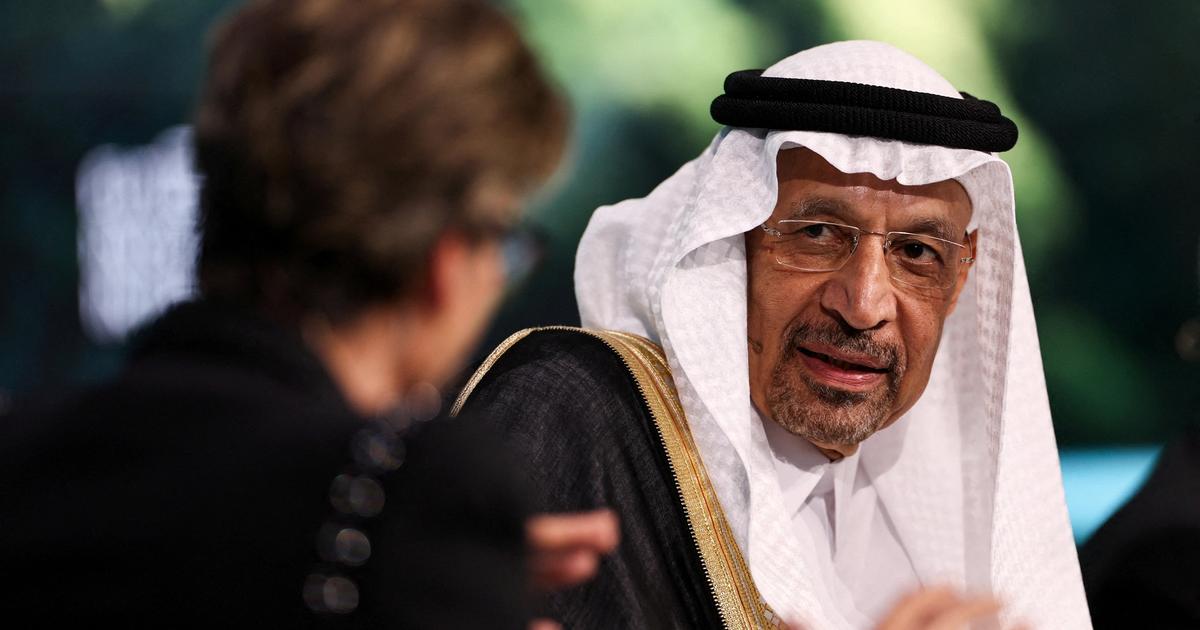
Saudi Arabia has made a significant change in its government, replacing Investment Minister Khalid Al-Falih with Fahad Al-Saif, a senior executive from the kingdom’s sovereign wealth fund. This move is part of a broader reshuffle aimed at revamping investment strategies and enhancing the nation’s appeal to foreign investors.
Outspoken Leadership and Project Feasibility
Khalid Al-Falih, who has been a long-standing and prominent figure in the Saudi government, voiced skepticism this week regarding the feasibility of certain ambitious projects. This includes scaled-back plans for “The Line,” a 170-kilometer mirrored skyscraper. His candid approach to addressing the realities of these projects reflects a growing concern about the sustainability of some investment initiatives.
Transition of Power
While Al-Falih’s replacement raises questions about his future role, he will retain ministerial rank. This move leaves ambiguity regarding whether he has been sidelined or reassigned to new responsibilities within the government. His straightforward communication with international companies about regional headquarters has highlighted his assertive approach to securing investment.
Introducing Fahad Al-Saif
Fahad Al-Saif brings a wealth of experience to his new position. Known and respected in the global finance sector, Al-Saif has played a crucial role in developing Saudi Arabia’s borrowing capacity and has been instrumental in driving interest in the country’s initial bond sales. His expertise could be pivotal in redirecting the nation’s investment strategies.
The Role of the Public Investment Fund
Before his appointment, Al-Saif managed coordination for the Public Investment Fund (PIF), which oversees $1 trillion in assets. His previous experience in facilitating external borrowing for PIF and its subsidiaries places him in an advantageous position to foster foreign investment. This shift is seen as a strategic transition from large-scale global deals to a focus on attracting substantial foreign investments.
Challenges Ahead
Fahad Al-Saif faces formidable challenges ahead. Securing bond investors for high-rated Saudi debt is often simpler than attracting long-term foreign direct investment, a necessity for the kingdom’s economic objectives. Al-Falih set a goal of securing $100 billion annually in foreign investment by 2030, a target that remains unmet, indicating the uphill battle his successor must tackle.
Future Investment Strategy
Meeting the ambitious foreign investment goals will require Saudi Arabia to evolve into a more attractive destination for investors. Effective strategies will need to prioritize creating a favorable environment that encourages investment rather than one that feels obligatory. This transformation will be essential for achieving the kingdom’s economic diversification goals.
