



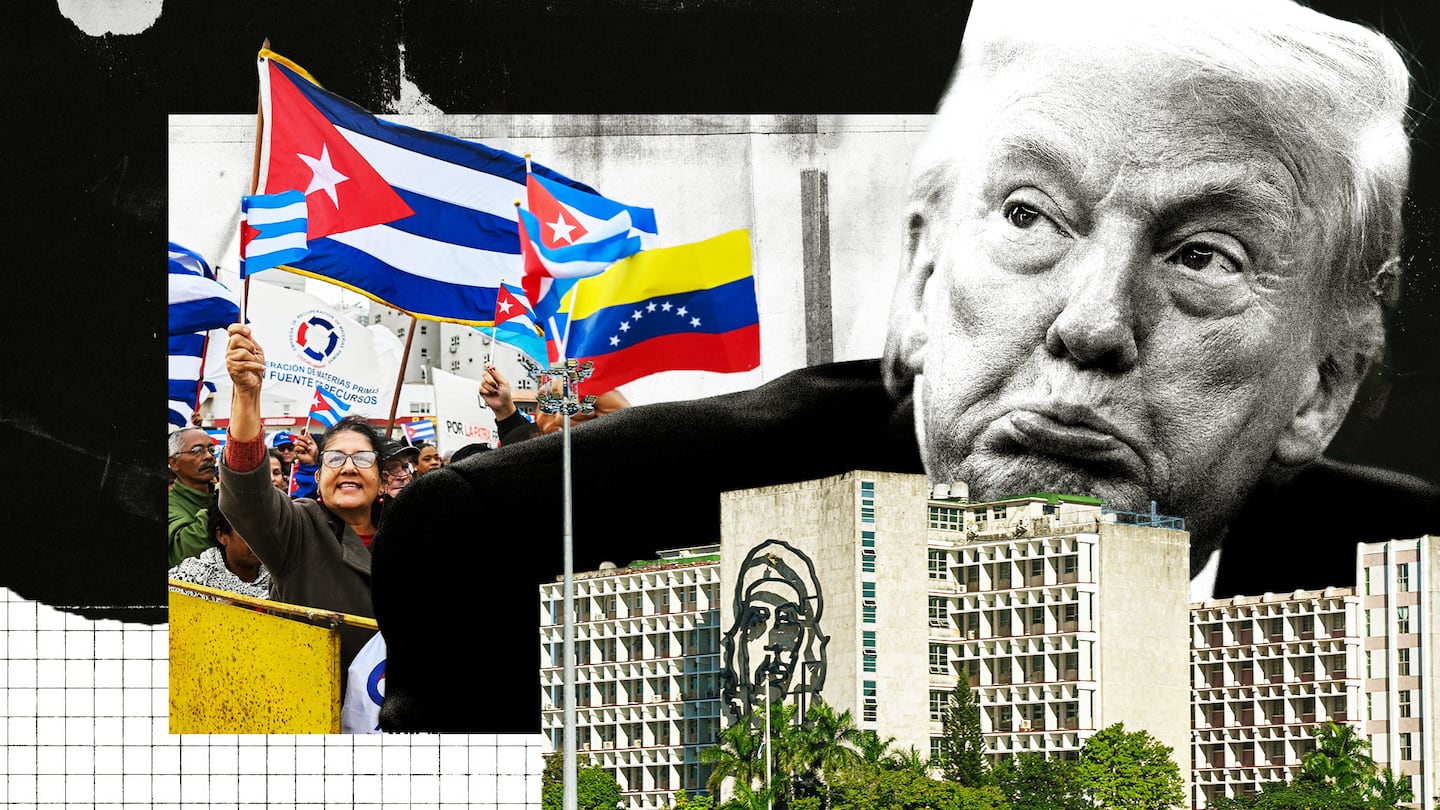
Is Cuba Next? Analyzing the Current Landscape
Cuba’s political future is a topic of intense speculation, especially after the recent events in Venezuela, where American forces captured President Nicolás Maduro. This incident has prompted many to wonder if the fall of the Communist regime in Cuba could follow suit. However, such a transition appears highly unlikely.
The Challenges of Uprisings in Cuba
For a successful national uprising, a strong, organized political opposition is essential. Unfortunately, decades of authoritarian rule in Cuba have stifled the emergence of such a movement. The current regime is deeply entrenched, well-organized, and enjoys significant support from devoted citizens. The mere removal of a few leaders would not suffice to dismantle this enduring power structure.
Potential U.S. Responses and Sanctions
Any attempt by the United States to impose its will on Cuba may necessitate drastic measures, including invasion. However, President Trump has indicated no intention of pursuing military intervention. Instead, he has hinted at enforcing stricter sanctions that could isolate Cuba economically. His emphatic statement on social media that there “will be no more oil or money going to Cuba” outlines the administration’s aggressive stance.
The Dependence on Imported Oil
Cuba’s economy heavily relies on imported oil to maintain critical infrastructure, including transportation and healthcare systems. Cutting off this supply could lead to severe consequences, including widespread suffering and a humanitarian crisis. Beyond oil, potential strategies for the U.S. include halting flights, restricting medical shipments, and curtailing cash remittances from Cuban Americans.
Historical Context of U.S. Sanctions
U.S. sanctions against Cuba have a long history, dating back over 60 years to President Kennedy’s trade embargo in 1962. While President Obama sought to reform relations by easing restrictions, the subsequent administrations have reverted to more punitive measures. This continuation of isolationist policies raises questions about their effectiveness and consequences.
Current Emigration Trends
Living conditions in Cuba have worsened significantly, prompting a mass exodus of citizens. Over the last five years, approximately one million Cubans – nearly 10% of the population – have emigrated, largely seeking refuge in the United States. This trend highlights the direct link between oppressive governance and the desperation for a better life abroad.
Consequences of Tightened Policies
While punitive measures could exacerbate the existing humanitarian crisis in Cuba, they are unlikely to effect regime change. The possibility of creating further suffering or starvation raises ethical concerns for the U.S. administration. Making the already challenging situation more dire may drive more Cubans to seek asylum in the U.S., without destabilizing the current government.
The Road Ahead: A Shift in Strategy?
Considering the historical and political context, Washington’s approach to Cuba warrants reevaluation. The Cuban populace deserves a fair opportunity at autonomy without being subjected to external pressures. The current environment seems ripe for dialogue, and if the U.S. can shift from confrontation to negotiation, a more constructive relationship might emerge.
-x-
Stephen Kinzer, senior fellow at the Watson School of International and Public Affairs at Brown University.
