



The Future of Retirement Savings: Is It Really Irrelevant?
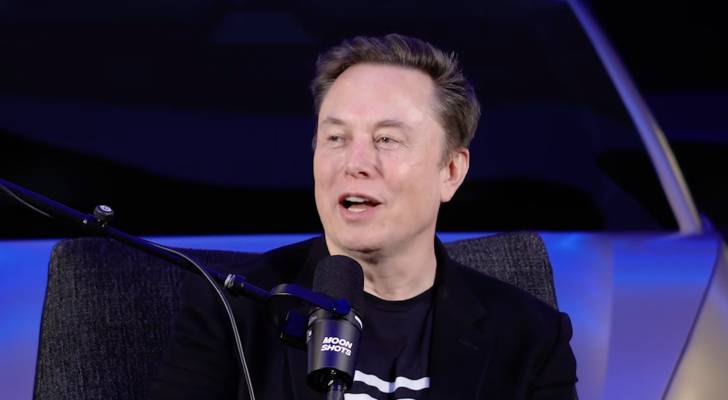
Elon Musk has sparked yet another debate, this time focusing on a cornerstone of financial stability: retirement savings. Recently, during an episode of the Moonshots with Peter Diamandis podcast, the CEO of Tesla and SpaceX posited that conventional retirement planning may become “irrelevant” over the next decade or two, thanks to transformative advancements in artificial intelligence (AI), robotics, and energy technologies.
A Vision of Abundance
Musk envisions a bold future where machines dominate the workforce, leading to an era characterized by abundance. In this optimistic scenario, goods and services would be both plentiful and inexpensive, while health care and education would be accessible at no cost. Additionally, a “universal high income” could ensure that everyone meets their basic needs, rendering traditional retirement savings “unnecessary.” However, it’s important to approach this vision with a degree of skepticism.
The Flaws in Musk’s Thesis
Musk’s perspective is rooted in a speculative outlook on technology’s role in transforming the economy. He believes that exponential increases in productivity, driven by technological advancements, could eliminate scarcity—the fundamental premise that drives money, work, and saving. But this highly optimistic outlook raises some concerns about feasibility and practicality.
Challenges Ahead
While Musk’s projections may inspire hope, they come with potential pitfalls. He acknowledges that the transition to this new economic landscape could be “bumpy,” possibly leading to social unrest and existential questions as traditional employment wanes. Musk isn’t providing standard financial advice; he’s painting a theoretical picture of the future that many may misinterpret as a reason to halt retirement savings—particularly among younger individuals just beginning to secure their financial futures.
The Reality for Most Americans
Contrary to Musk’s safety net, the majority of Americans lack substantial financial cushions. Data from 2022 show that nearly half of U.S. households lack any retirement savings, and only about 25% have over $100,000 set aside, as reported by the Federal Reserve. Furthermore, AARP highlights that 1 in 5 Americans aged 50 and older have no retirement savings, with many feeling insecure about their financial readiness for retirement.
The Importance of Retirement Planning
For most individuals, traditional retirement planning remains crucial. Financial advisors often recommend saving an amount sufficient to replace a significant portion of pre-retirement income, which could range into the hundreds of thousands or even millions of dollars, depending on individual lifestyles. Given this context, Musk’s comments could mislead those who take them at face value, potentially jeopardizing their long-term financial security.
Practicing Caution in Saving
Economists and financial professionals stress the need for continued retirement planning regardless of technological advancements. Without solid economic policies or structures in place to guarantee universal income, individuals must still work towards building their own financial safety nets. Rather than viewing Musk’s predictions as a practical financial strategy, consider them a reminder that while the future may evolve, immediate financial responsibilities remain intact.
Action Steps for Financial Security
To navigate these uncertain times effectively, individuals should focus on practical financial strategies:
- Consistently contribute to retirement accounts, especially those with employer matching.
- Establish and maintain an emergency fund.
- Regularly review and adjust savings goals based on changing circumstances.
- Stay informed about broader economic and technological trends.
In summary, while it’s essential to be aware of potential economic shifts, planning for retirement based on current realities is crucial. Building a robust financial future requires diligence and preparation, particularly in today’s continually changing economic landscape.
