



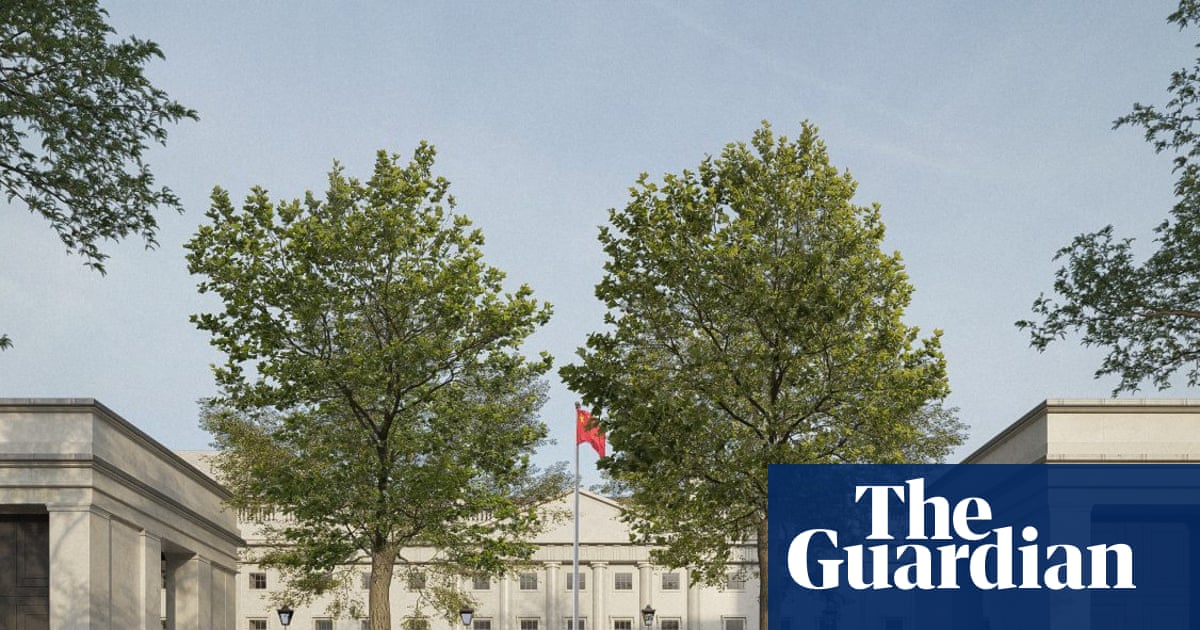
Planned Chinese Embassy in London Raises Security Concerns
A new Chinese embassy complex in east London is set to receive formal approval next week, despite ongoing concerns among Labour MPs regarding potential security risks and implications for Hong Kong and Uyghur exiles living in the city.
Location and Size of the Embassy
The proposed super-embassy, located at Royal Mint Court near Tower Bridge, spans an impressive 20,000 square meters. This significant expansion of Chinese diplomatic presence in the UK has prompted questions about its security ramifications, particularly given the backdrop of rising tensions in global diplomacy.
Political Context and Planning Process
Approval for the embassy is expected to align with Labour leader Keir Starmer’s upcoming visit to China in late January. However, government officials maintain that the planning process has remained devoid of political influence. Matthew Pennycook, the planning minister, emphasized the quasi-judicial nature of the decision, reiterating that they are focused solely on adhering to procedural guidelines.
Security Concerns Raised by MPs
The urgency of addressing concerns about the embassy was highlighted by Alicia Kearns, the shadow Home Office minister, who urged that access to the underground infrastructure could pose a risk to UK national security. Kearns described the situation as complacent and expressed grave apprehension that the Chinese Communist Party could leverage such access for economic warfare.
Responses from the Government and MPs
In response to Kearns’ urgencies, Pennycook acknowledged that any new information regarding the embassy plans would be thoroughly evaluated. While MI5 reportedly harbor no security concerns about the project, Kearns and her Labour colleagues remained staunchly opposed. Notable voices in the Commons, such as Sarah Champion, chair of the international development select committee, underscored that various government agencies have expressed apprehensions regarding this mega-embassy project.
Impact on Local Communities and Diaspora
Several Labour MPs voiced worries about the implications of the embassy for local diasporas from Hong Kong, Tibet, and Xinjiang. Alex Sobel, MP for Leeds Central, warned that the embassy could present a “real threat” to community members, particularly those associated with Uyghurs in Xinjiang, where human rights abuses have been widely reported.
Local Perspectives and National Security
Rushanara Ali, MP for Bethnal Green and Stepney, emphasized the need to address the apprehensions of local communities, highlighting the significant Muslim population in the area and their focus on issues pertaining to Xinjiang. Another MP, James Naish from Rushcliffe, argued that the debate transcends a mere infrastructure proposal; it raises serious questions about national security and the safety of diaspora groups residing in the UK.
Next Steps and Final Decision
Pennycook assured that the planning process is being conducted fairly, stating the delay in decision-making stems from the detailed nature of representations received. The final evaluation and approval of the Chinese embassy complex will take place following a thorough consultation, balancing the expressed concerns with procedural norms.
