



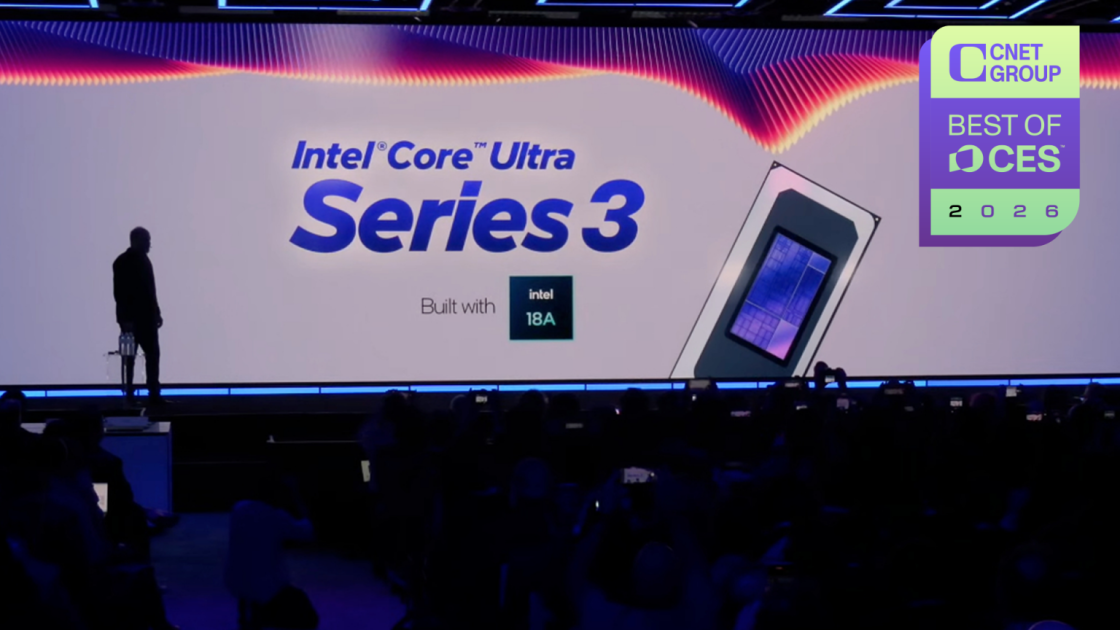
Unveiling Intel’s 2-Nanometer Core Ultra Series 3 Processors: A Leap Forward in Mobile Computing
Intel has officially launched its 2-nanometer “18A” chip foundry, introducing the advanced Core Ultra Series 3 processors, also known as “Panther Lake.” These cutting-edge chips, designed for laptops and mini PCs, feature improvements that heavily focus on AI performance, marking a significant advancement from Intel’s previous Core Ultra Series 2 lineup. At CES 2026, we received an in-depth look at these innovative mobile processors and their eagerly anticipated features.
Release Timeline and Availability
With systems equipped with Intel’s Core Ultra Series 3 processors expected to hit the market by the end of January, preorders are set to open soon. This allows early adopters to secure their devices and experience the enhanced capabilities of the Panther Lake architecture firsthand.
What Sets the Core Ultra Series 3 Apart?
Intel shared intriguing insights that reveal substantial design changes from the previous series. Key upgrades include an updated CPU architecture, improved integrated graphics processors (IGP), and a revamped neural processing unit (NPU). According to Intel, these enhancements result in notable improvements in energy efficiency and processing power, with a configuration that includes high-performance P-cores and high-efficiency E-cores.
Key Specs and Performance Metrics
The flagship model, the Intel Core Ultra X9 388H, boasts 16 cores and a peak clock speed of 5.1GHz, along with 18MB of L3 cache. This model is designed to outperform its predecessor, the Ultra 9 285H, by delivering over 70% better gaming performance and significantly enhanced multithreading capabilities. Notably, the Panther Lake series introduces support for Wi-Fi 7 (R2) and Bluetooth 6.0, alongside Thunderbolt 5 compatibility for select chips, setting a new standard for mobile connectivity.
Advanced Graphics and AI Integration
One of the standout features of the Core Ultra Series 3 is the introduction of the new Xe3 graphics architecture. This significant upgrade not only enhances performance but also includes 12 Xe cores in the IGP, representing a 50% increase over the previous generation. Moreover, Intel’s new XeSS technology, now in version 3, uses AI to upscale graphics and boost refresh rates, comparable to AMD’s FSR 4 and Nvidia’s DLSS technologies.
AI Processing Power and the NPU Architecture
Intel’s emphasis on AI capabilities is evident with its new NPU architecture, which can handle up to 50 trillion operations per second (TOPS). The integration of AI processing across the CPU and GPU elevates the performance further, making the Core Ultra Series 3 an attractive option for users focusing on AI-driven workloads.
Conclusion and Future Outlook
As we look forward to the official launch and widespread adoption of the Panther Lake Core Ultra Series 3 processors, it’s clear that Intel has made significant strides in mobile computing technology. Preorders will commence on January 6, leading to full availability by January 27. While details on pricing remain tentative, the anticipated enhancements in performance, graphics, and AI capabilities are set to redefine user experiences across laptops and mini PCs.
