



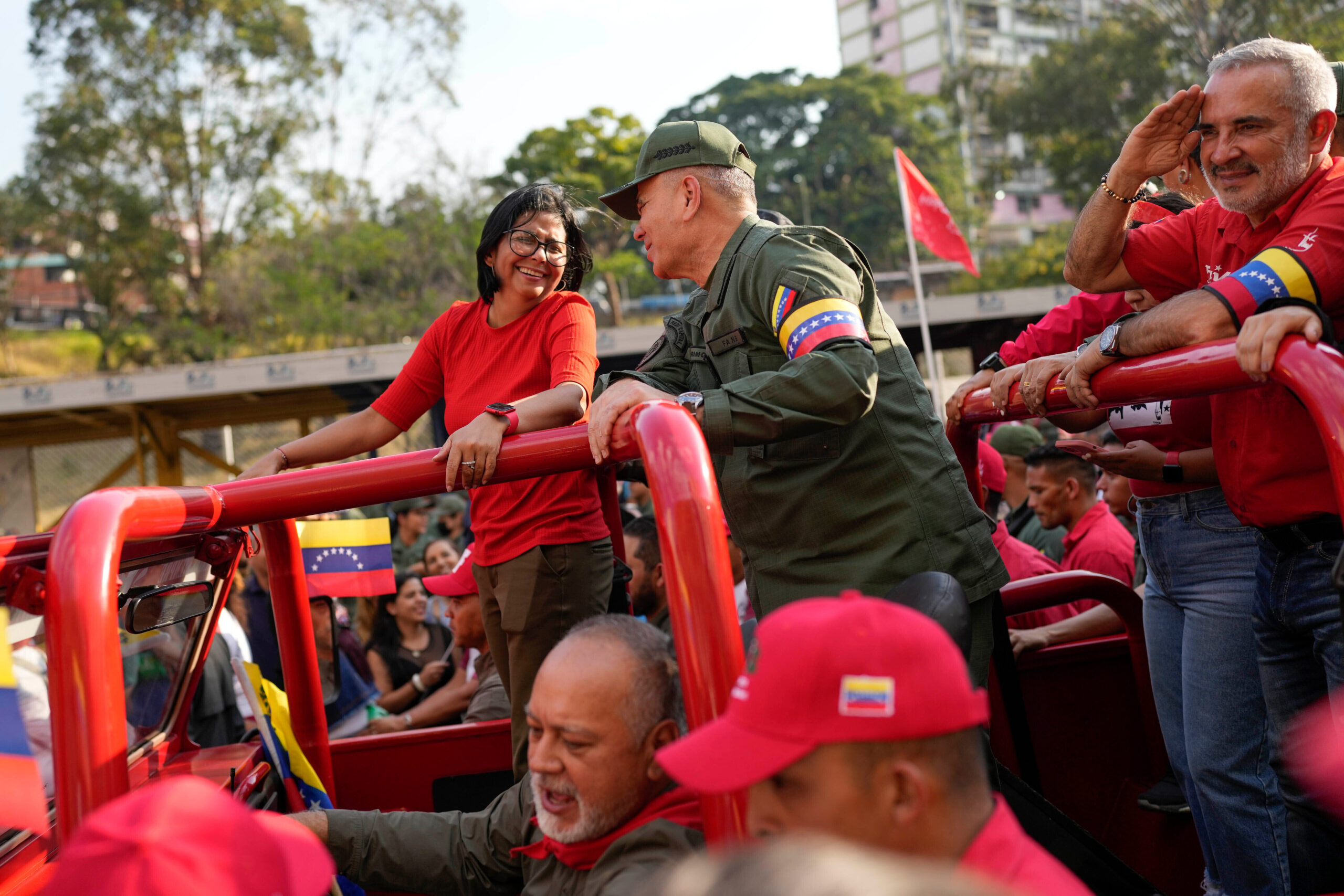
Delcy Rodríguez: Venezuela’s New Interim President
MEXICO CITY (AP) — In a dramatic turn of events for Venezuela, Delcy Rodríguez has assumed the role of interim president after the capture of her ally, Nicolás Maduro, by U.S. forces. This shift in leadership may signify a pivotal change in relations between Venezuela and the United States, as Rodríguez extends an olive branch toward the Trump administration.
Background of Delcy Rodríguez
Delcy Rodríguez, 56, previously served as Maduro’s vice president since 2018, managing Venezuela’s oil-dependent economy and the nation’s intelligence services. Her ascent to interim president follows an order from Venezuela’s high court, a move supported by the country’s military leadership.
Political Landscape and Challenges
Rodríguez represents a cadre of senior officials who now control Venezuela amidst ongoing pressure from the U.S. government. President Trump has indicated a willingness to negotiate but warns that Rodríguez could face severe consequences if she does not align with U.S. expectations.
Relationship with the Trump Administration
While initial communications from the Trump administration suggest a potential for collaboration, Rodríguez’s recent statements have been more defiant. In a televised address, she labeled the U.S. government as “extremists” and reasserted Maduro’s position as Venezuela’s legitimate leader.
Shifts in Tone and Strategy
In a surprising move, Rodríguez later expressed her hope for “respectful relations” with the U.S., inviting the government to cooperate on shared development goals. This change of tone raises questions about her long-term strategy and intentions regarding her political allegiance.
Constitutional Questions and Power Dynamics
Venezuela’s constitution mandates an election within 30 days when a president is declared “permanently unavailable.” However, the Supreme Court’s interpretation may allow Rodríguez to consolidate power without immediate electoral pressure, creating uncertainty about her tenure and the future political landscape.
Future Prospects for Venezuela
The dynamics within the ruling Socialist Party and Rodríguez’s ability to unite various factions will be crucial in determining her effectiveness as interim president. With a background rooted in Venezuela’s revolutionary history and connections within the military, her leadership may prove pivotal as the nation navigates its current crisis. Analysts suggest her initial tough stance may have been politically motivated, aimed at preserving her revolutionary credentials while addressing the looming challenges ahead.
