



Impact of Venezuelan Crisis on Cuba: Mourning and Uncertainty
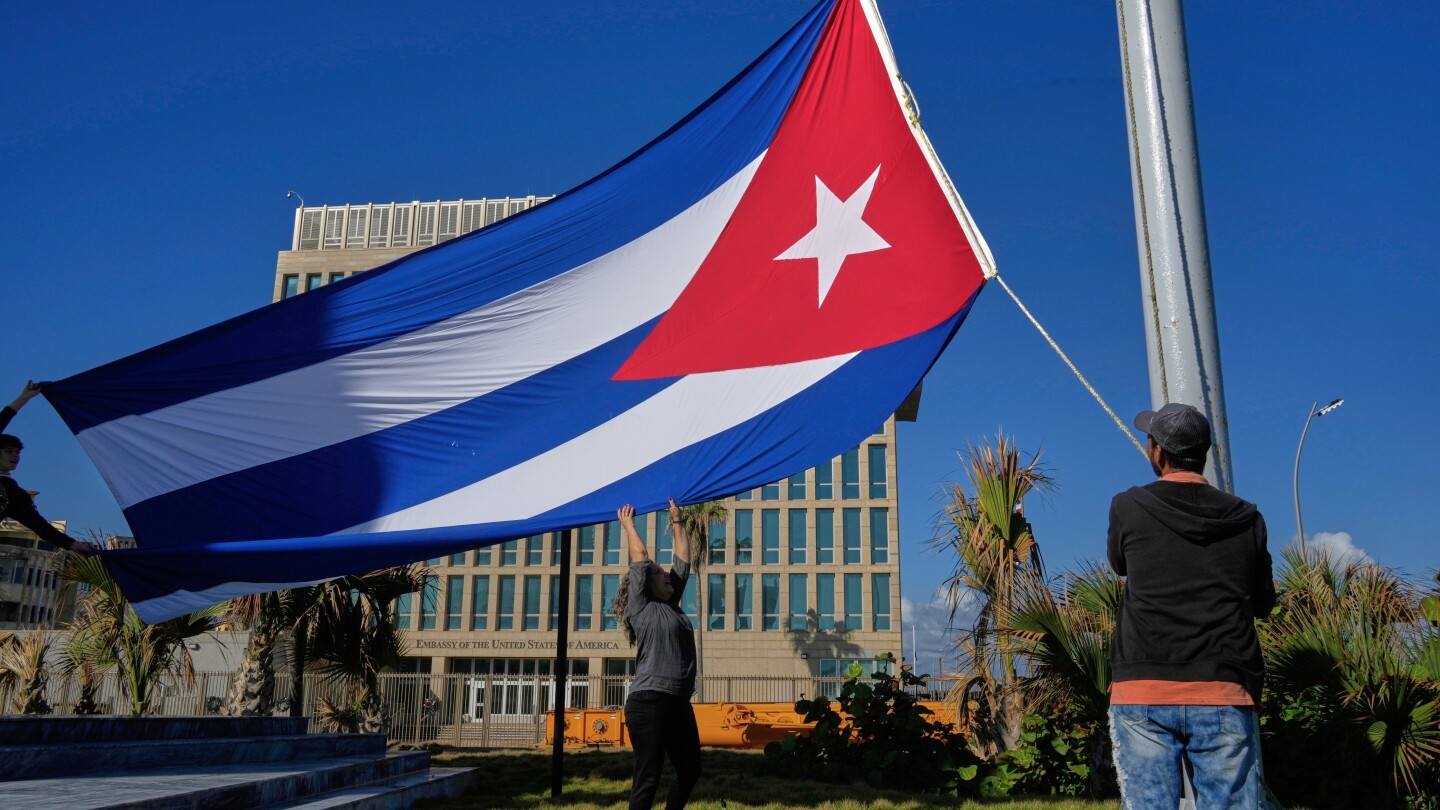
HAVANA (AP) — In a somber display of grief, Cuban officials lowered flags before dawn on Monday to honor 32 security officers who were reportedly killed in a recent U.S. strike in Venezuela. This incident has prompted widespread speculation among residents regarding the implications of President Nicolás Maduro’s potential capture on Cuba’s future.
Close Ties Between Cuba and Venezuela
The relationship between the two nations is historically strong, with Cuban soldiers often serving as bodyguards for the Venezuelan president. Over the years, Venezuela’s oil exports have been vital for Cuba, helping to sustain its struggling economy. Official reports indicated that the 32 officers were killed during a surprise attack, but further details remain sparse.
Political Ramifications of Maduro’s Ouster
The Trump administration has openly stated that removing Maduro could have long-lasting effects on the Cuban government. By severing the direct link between Cuba and Venezuela, the U.S. aims to undermine the stability of the Cuban regime, which responded by calling for international solidarity against what they termed “state terrorism.”
Warnings for the Cuban Economy
In statements made over the weekend, Trump emphasized that the Cuban economy would face exacerbated challenges following Maduro’s removal. “It’s going down,” he remarked, highlighting the precariousness of the situation and the implications for the island nation’s future.
Cuban Citizens Face Uncertainty
Cubans, a population of approximately 10 million, have been deeply affected by the economic strain caused by the ongoing crisis, which has resulted in frequent blackouts and shortages of essential goods. Following the recent attack, many residents are left grappling with the reality of a potentially bleaker future.
Oil Dependency and Future Prospects
According to energy expert Jorge Piñón from the University of Texas at Austin, Maduro’s government has been supplying Cuba with approximately 35,000 barrels of oil daily, accounting for around a quarter of Cuba’s total oil needs. “The critical question remains: Will the U.S. allow Venezuela to continue providing Cuba with oil?” he stated, emphasizing the potential ramifications of further sanctions.
Looking to the Future: Alternatives for Cuba
As Cuba faces an uncertain future, analysts wonder if Russia will step up to fill the void left by Venezuela. While Russia currently supplies about 2 million barrels of oil annually to Cuba, experts question whether Moscow will prioritize this relationship over its own geopolitical interests, particularly concerning negotiations with the U.S. surrounding Ukraine.
Cuban economist Ricardo Torres suggests the need for Cuba to embrace market reforms to attract foreign investment from countries like China. “The urgency is palpable; without alternatives, the situation may worsen significantly,” Torres noted, highlighting a potential path forward for the beleaguered nation.
___
Coto reported from San Juan, Puerto Rico. Associated Press reporters Milexsy Durán in Havana and Isabel DeBre in Buenos Aires contributed.
___
Follow AP’s coverage of Latin America and the Caribbean at apnews.com/hub/latin-america.
This HTML article is structured with headings and paragraphs for better readability and SEO optimization, while incorporating relevant keywords related to the current situation in Cuba and Venezuela.
