



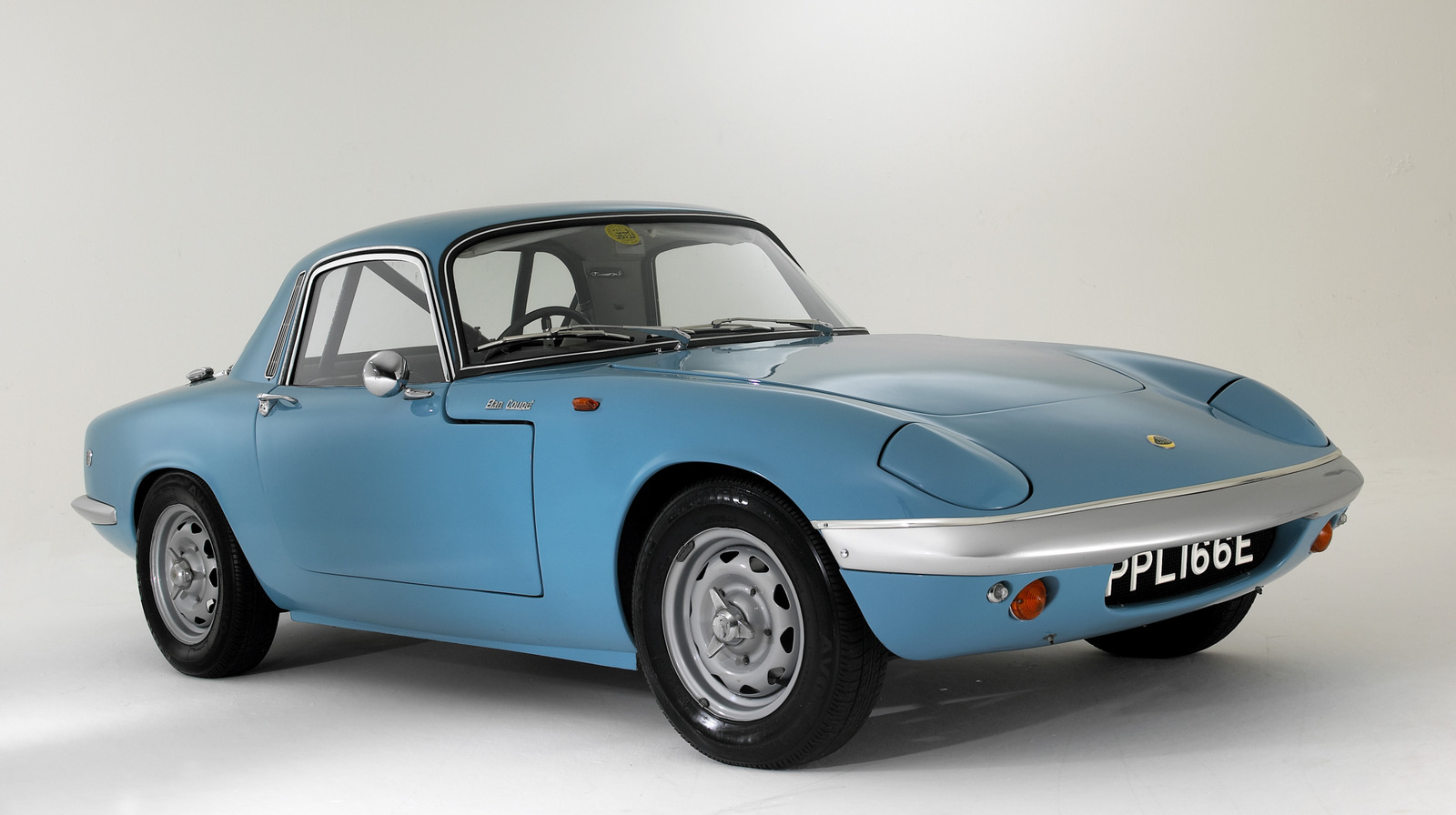
The Iconic Connection: Mazda Miata and the Lotus Elan
The Mazda Miata is a symbol of sports car excellence, standing out in 2025 as one of the few affordable, two-seat convertibles. Its design and driving experience are loved by enthusiasts, making it essential for anyone seeking the pure joy of driving. However, few might realize that the roots of this beloved roadster stretch back to classic British designs that defined compact sports cars two to four decades earlier.
The British Influence on Affordable Sports Cars
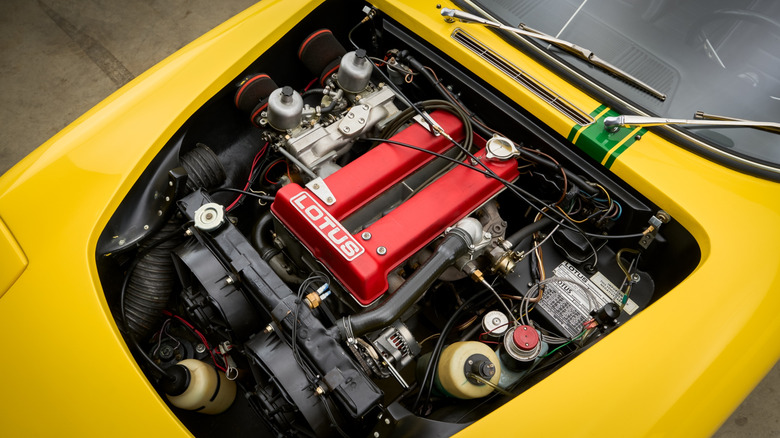
JoshBryan/Shutterstock
During the mid-20th century, the British automotive scene was rich with lightweight sports cars, including models like the Triumph TRs and the MG series. Among these classics, the Lotus Elan stood out as a pioneer of minimalist design, weighing a mere 1,290 pounds. Its compact dimensions and agile handling set a benchmark for future sports cars, influencing designers worldwide, including those at Mazda.
Bob Hall and the Birth of the Miata
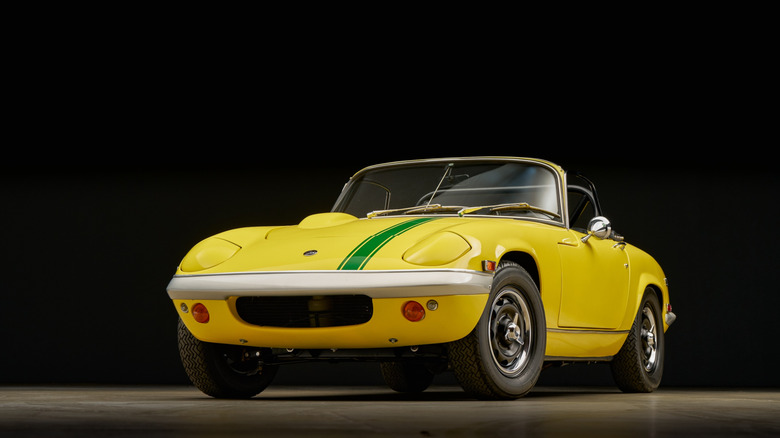
JoshBryan/Shutterstock
Bob Hall, an American automotive journalist, played a pivotal role in bringing the Miata to life. Fascinated by British sports cars during the late ’70s, Hall engaged in discussions with Mazda’s Kenichi Yamamoto, advocating for a revival of the dwindling sports car segment. His vision was realized in the 1980s, where inspiration from British classics, particularly the Lotus Elan, shaped the Miata’s design and ethos.
Design Elements Derived from the Lotus Elan
The Miata’s design showcases several nods to the Lotus Elan. Its charming “smiling” front grille and iconic pop-up headlights hark back to the classic styling of British roadsters. Both cars share a similar philosophy: prioritizing lightness and driver engagement over sheer power. Equipped with an inline-four engine and a manual transmission, the Miata delivers an exhilarating and pure driving experience.
Less is More: The Philosophy Behind the Miata and Elan
In an era where consumers often seek more amenities and power, Mazda and Lotus embraced a “less is more” philosophy in their sportscars. While conventional wisdom may suggest that more horsepower equates to better performance, the Lotus Elan proved otherwise with its modest 105-horsepower engine combined with a lightweight chassis. This approach allowed drivers to enjoy the pure pleasure of handling and agility—not just speed.
A Gap in the Market: The Miata’s Success
Recognizing a niche for an affordable, fun-to-drive convertible in the American market, Mazda embraced the lightweight ethos established by the Lotus Elan. Instead of producing a larger, more powerful vehicle, the Miata effectively captured the essence of classic roadsters, creating a modern interpretation that resonated with car enthusiasts and casual drivers alike.
Conclusion: Legacy of the Elan in Modern Sports Cars
The legacy of the Lotus Elan continues to be felt today, particularly through the enduring popularity of the Mazda Miata. By taking inspiration from a timeless classic, Mazda created a vehicle that encapsulates the spirit of driving enjoyment. As auto enthusiasts embrace the thrills of a lightweight roadster, the connection between these two iconic cars highlights the importance of heritage, design, and driving joy in the automotive world.
