



Google’s New AirDrop-Compatible Feature: An Overview
tinhkhuong/Shutterstock
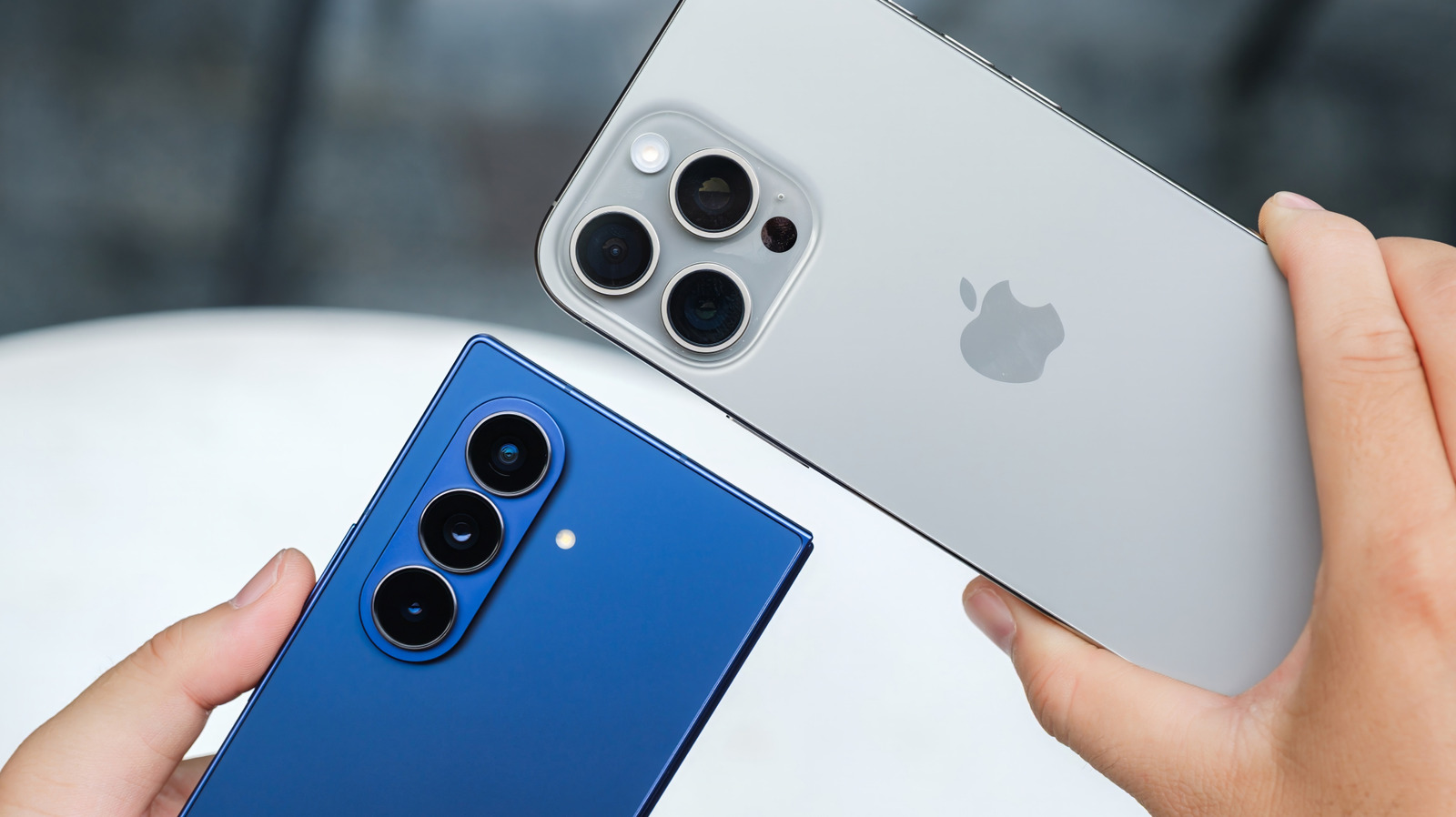
In November 2025, Google announced a groundbreaking feature that allows AirDrop functionality to work with Android devices. This innovation means that iPhone and Mac users can now easily share files with Android smartphones, beginning with the Pixel 10 series. This move, performed without Apple’s involvement, indicates Google’s intent to enhance user experience across different platforms.
Consumer Reactions: Excitement and Concerns
The announcement generated mixed reactions. On one hand, the tech community was taken aback; Apple has meticulously protected its ecosystem, aiming to keep users within its brand. On the other, many users celebrated the increased convenience of cross-platform file sharing, which could alleviate the frustrations of those attempting to share files with friends in different digital ecosystems.
However, skepticism arose regarding the security implications of bypassing Apple’s protocol. How could Google ensure that Android users safely implemented AirDrop without compromising sensitive information?
The Role of European Regulations
At the heart of this development were new European antitrust regulations that mandated interoperability for digital services. By ruling against Apple’s exclusive control of AirDrop, the European Commission opened the door for third-party integration and innovation. This ruling didn’t require Apple to make AirDrop open-source, but it did compel the company to allow non-Apple devices to connect to it.
Google’s adoption of Wi-Fi Aware for file sharing since Android 8.0 Oreo facilitated this integration. With the groundwork laid by the EU’s regulations, Google was positioned to create a user-friendly means of data sharing across platforms.
Understanding AirDrop’s Technology
AirDrop operates on a modified version of Wi-Fi Direct called AWDL (Apple Wireless Direct Link). This technology sets up a temporary Wi-Fi network, enabling seamless file transfers between devices. By tweaking this universal standard, Apple restricted its capabilities to its products. However, this approach drew the ire of regulators seeking a more open digital landscape.
Google’s Technical Implementation
Equipped with regulatory support, Google’s engineers diligently reverse-engineered Apple’s protocols. The task, while formidable, focused on ensuring secure file-sharing to protect users from potential security breaches. Google opted for the Rust programming language, renowned for its safety features that guard against memory vulnerabilities and coding mishaps.
The goal was to prevent critical security flaws that could be exploited by malicious entities. Following internal testing, an independent cybersecurity firm conducted penetration testing to further ensure the robustness of the feature.
Limitations and Future Collaborations
Despite these advancements, some limitations persist. For instance, to initiate file sharing between an Android phone and an iPhone, users must adjust their AirDrop settings to permit files from “Everyone.” This setting poses privacy risks, particularly in crowded environments, as it might allow unsolicited files from nearby users.
Google has expressed interest in collaborating with Apple to implement a “Contacts Only” sharing mode, enhancing user security. However, whether Apple will agree to this remains uncertain.
The Future of Cross-Platform File Sharing
As Google’s AirDrop-compatible feature rolls out, it sets a precedent for the future of cross-platform interactions. With both Android and iOS users benefiting from simplified file sharing, the tech landscape may further shift towards interoperability. As European regulations continue to influence tech practices, users can expect an increasingly integrated digital ecosystem.
This enhancement not only improves user experience but also signifies a changing tide in how technology companies might collaborate in the future. With advancements in file-sharing capabilities, users can look forward to a more seamless and connected technological world.
