



The Transformation of the Beauty Retail Landscape
NEW YORK (AP) — Shoppers like Quinn Kelsey are reshaping the department store experience, making beauty executives rethink their strategies. Kelsey, a 38-year-old resident of Denver, sources beauty advice from TikTok videos and AI chatbots rather than salespeople. Preferring online shopping, she often turns to Amazon for her beauty purchases.
Decline of Department Stores as Beauty Paradigms
Once the ultimate destinations for beauty products, department stores began losing their influence in the late 1990s with the rise of Sephora and Ulta Beauty. These retailers introduced a playful, self-service shopping experience, altering consumer behaviors significantly.
Competition in the Beauty Market
With evolving consumer preferences, retailers are racing to capture a share of the staggering $129 billion U.S. beauty and personal care market. The ease of e-commerce has escalated competition, and Amazon has positioned itself as the leading online seller of beauty products by expanding its premium brand offerings, according to market insights from Euromonitor International.
The Shift to Social Media for Beauty Guidance
Today’s consumers increasingly rely on social media for beauty advice. Instead of consulting in-store experts, many turn to influencers, beauty founders, and dermatologists on platforms like TikTok and Instagram. This shift has popularized “dupes”—affordable alternatives to high-end products, giving shoppers more options.
Enhancing the In-Store Experience
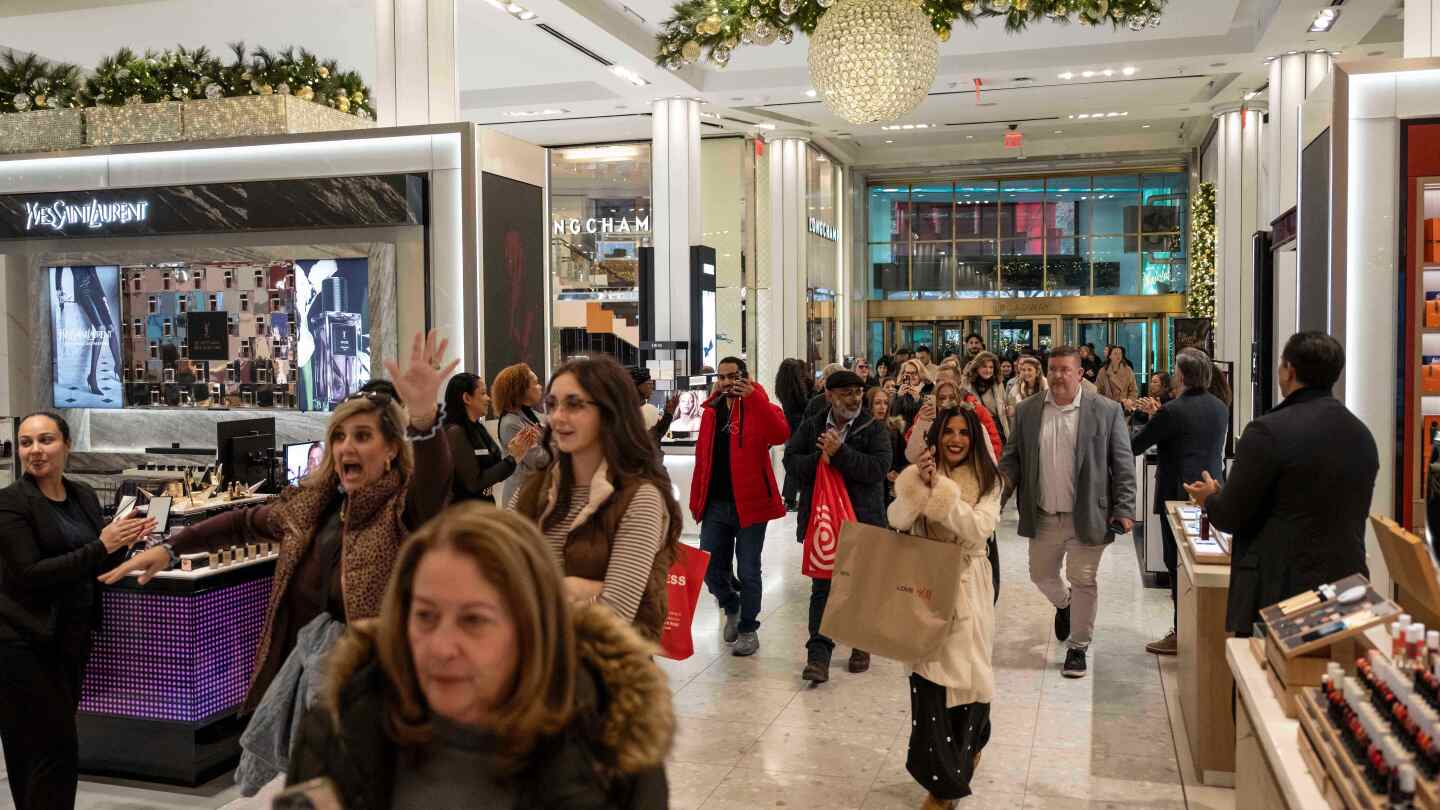
In response to these challenges, department stores are revamping their beauty sections to provide experiences that are unmatched online. Macy’s and Nordstrom, for example, have transformed their flagship locations in New York to include luxurious brands, innovative technology, and engaging spaces. Nordstrom now offers an option for customers to book robot-applied eyelash extensions for $170, showcasing its commitment to modern beauty services.
Features to Engage and Retain Shoppers
Department stores are adopting self-service features akin to those found at Sephora. Nordstrom has implemented a “beauty bar” with well-lit mirrors, encouraging customers to explore various makeup products. Experts believe these improvements foster an inviting atmosphere that keeps shoppers in-store longer, thus increasing their spending.
Innovations and Competitive Token of Change
The competition doesn’t stop with department stores; even innovators like Sephora are refreshing their approach. The beauty giant, now part of LVMH, is in the process of renovating 720 stores in the U.S. and Canada, focusing on enhanced consumer privacy and streamlined checkout experiences to improve customer satisfaction.
Future Trends in the Beauty Shopping Experience
With changing shopping habits, it remains crucial for beauty retailers to adapt. TikTok is not only driving new trends but also serving as a platform for brand discovery. TikTok Shop has emerged as a key player in e-commerce, ranking as the seventh-largest online seller of beauty products. As consumer preferences evolve, department stores must innovate rapidly to keep up with their competitors, both online and offline.
