



Impact of Expiring ACA Subsidies on Health Insurance Choices
With the expiration of subsidies for Affordable Care Act (ACA) health insurance approaching, many Americans who depend on these supports may face significant changes. Experts in healthcare policy warn that individuals might opt for plans with lower monthly premiums but higher deductibles or even refrain from purchasing any coverage, which could adversely affect the healthcare sector as a whole.
Projected Increases in Health Insurance Premiums
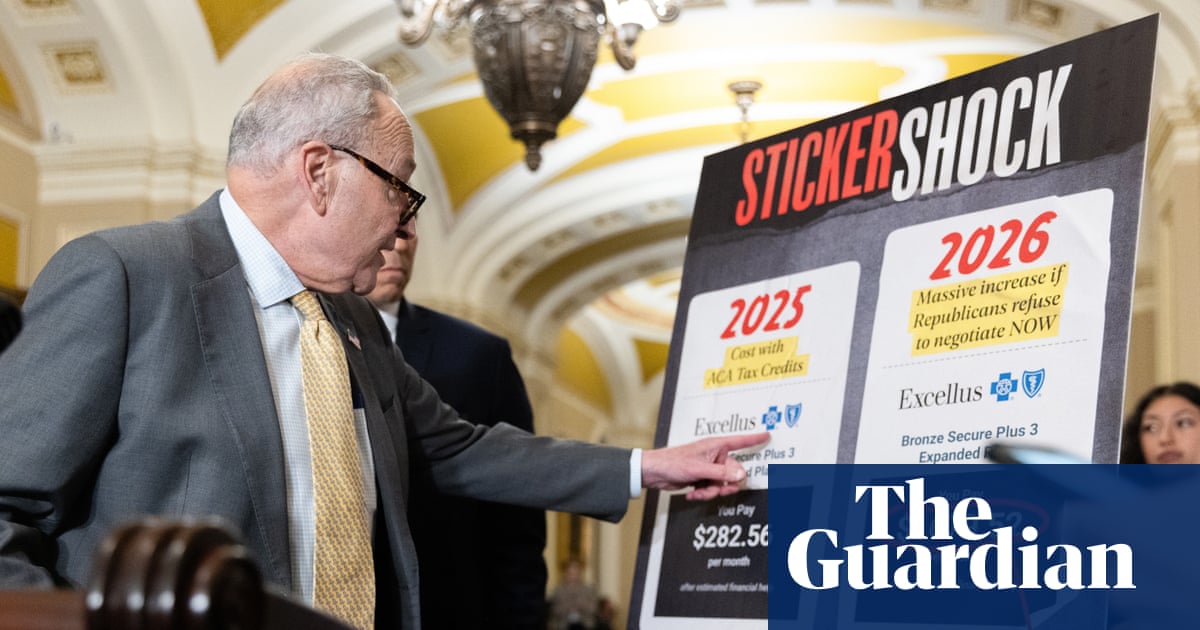
According to a recent analysis by KFF, the average premium paid by ACA plan enrollees is expected to more than double, rising from approximately $888 in 2023 to an estimated $1,904 by 2026. This sharp increase could lead to economic repercussions, particularly affecting rural hospitals and those with employer-sponsored health insurance.
Broader Economic Consequences
Emma Wager, a senior policy analyst for KFF’s Affordable Care Act program, emphasizes that “a significant portion of people dropping their marketplace coverage and being uninsured doesn’t just impact them; it impacts everyone.” This means the implications extend far beyond individual enrollees, affecting the healthcare landscape at large.
Legislative Attempts to Extend Subsidies
During the pandemic in 2021, Congress enhanced ACA health insurance subsidies, significantly increasing enrollment numbers in the marketplace. However, current premium tax credits are set to expire at year-end, despite efforts from some Democratic lawmakers and a minority of Republicans to extend them for another three years. A recent legislative effort to preserve these credits failed to gain sufficient support in the Senate.
Challenges in Open Enrollment
Although the expiration of subsidies is expected to impact enrollment numbers, the number of individuals purchasing ACA coverage remains steady for now. As of December 5, the Centers for Medicare & Medicaid Services reported 5.7 million sign-ups, slightly surpassing last year’s figures. However, the true repercussions of subsidy expiration may not surface until after the open enrollment period concludes on January 15, as noted by Natasha Murphy, director of health policy at the Center for American Progress.
Risks of Reduced Coverage
Recent surveys indicate that one-third of the 24 million U.S. adults who purchase ACA marketplace coverage are likely to opt for lower-premium plans with higher deductibles if subsidies expire. Alarmingly, one-quarter of enrollees expressed they would be “very likely” to remain uninsured. Gerard Anderson, a professor at Johns Hopkins University, warns that when healthy individuals drop out, the risk pool becomes sicker, potentially leading to a “death spiral” where only the most ill remain, resulting in unsustainable insurance plans.
The Strain on Hospitals and Healthcare Providers
As more individuals find themselves with high deductibles or no insurance at all, the burden on hospitals could increase. Wager points out that small and rural hospitals, operating on thin margins, may face financial strain due to rising uncompensated care. Many may be forced to raise prices, impacting even those with employer-sponsored insurance.
Final Thoughts on Rural Healthcare Dependency
Should ACA subsidies expire, rural residents seeking health insurance will likely confront even steeper premium increases compared to urban counterparts. Interestingly, many of those who depend on these health services often reside in districts represented by Republicans who opposed extending tax credits. Wager notes, “Farmers, ranchers, and many in rural areas are heavily dependent on the ACA,” underscoring the potential consequences of the subsidy lapse on a demographic that predominantly supports these political figures.
