



Google Launches Live Translate: A New Era in Speech-to-Speech Translation
Google is stepping up its game against Apple’s renowned live translation feature by introducing its own innovative speech-to-speech translations. The exciting news? Google’s version does not mandate the use of specific headphones, making it more accessible.
Introducing the New Translate App
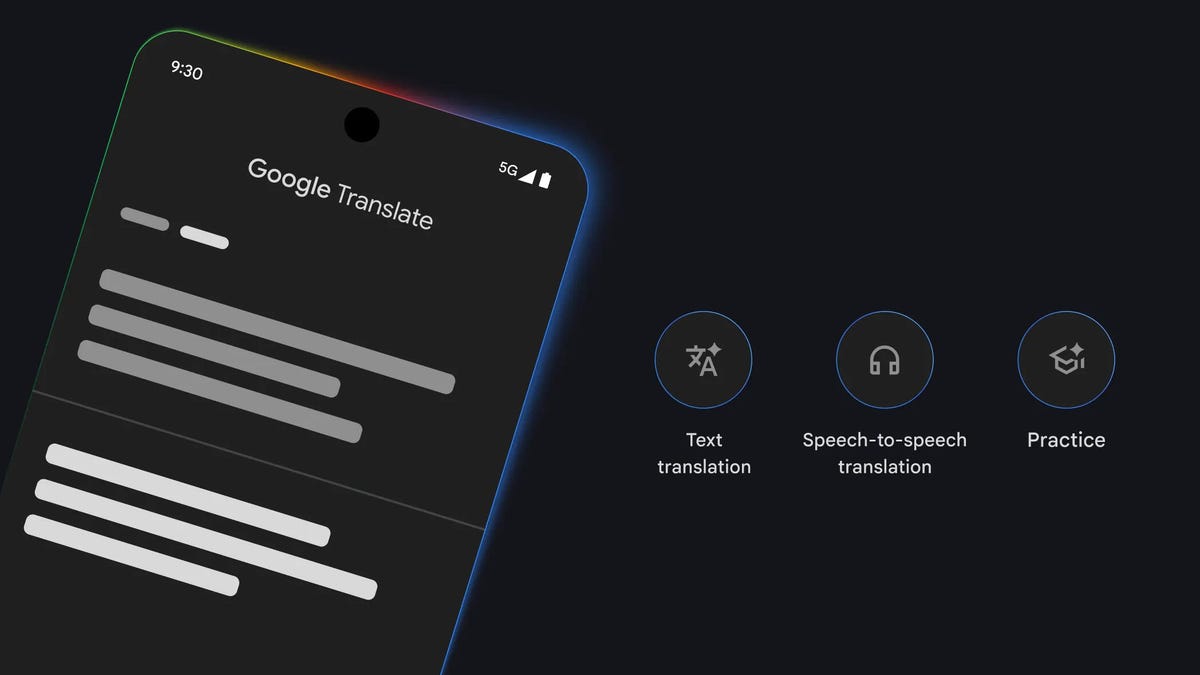
The newly redesigned Translate app is currently being rolled out in beta across select regions. Users can now access real-time language translations by simply tapping “Live Translate.” Unlike before, this functionality is no longer restricted to Pixel Buds, allowing any compatible headset to enjoy the feature.
Availability and Language Support
Initially, the Translate Android app update will be available in the United States, Mexico, and India. Additionally, it boasts support for over 70 languages, demonstrating Google’s commitment to fostering global communication. The company plans to expand this feature to iOS users and additional countries by 2026.
Enhanced Translation Quality with Gemini
In a major enhancement, Google has announced that it will leverage its advanced AI model, Gemini, to improve translation quality. This upgrade ensures that idioms and phrases are interpreted contextually rather than through literal translations, significantly enhancing the user experience.
Expanding Language Learning Tools
In tandem with the translation advancements, Google is also expanding its language learning tools. Users can expect more interactive feedback mechanisms and daily challenges designed to enhance their language acquisition journey. This holistic approach aims to make learning new languages more engaging and effective.
Apple’s Live Translation: A Quick Comparison
On the other hand, Apple has also made strides in live translation technologies. The recent release of iOS 26 includes Apple’s Live Translation feature; however, its accessibility is currently limited to the AirPods Pro and AirPods 4. This may give Google an edge in user flexibility and device compatibility.
Conclusion: The Future of Translation Technologies
The introduction of Google’s Live Translate marks a significant development in the realm of live translation technologies. With its broader device compatibility and advanced AI capabilities, Google is poised to reshape how users communicate across language barriers. As the competition heats up, both tech giants are driving innovations that could redefine global communication.
