



Maintaining Your Summer Glow in Fall 2025
As fall approaches, many of us want to retain that sun-kissed look into the chillier months. Achieving this glow can be tricky without resorting to spray tans or body makeup. However, with the right color-matching, blending, and application techniques, achieving a natural-looking tan is possible.
Common Makeup and Self-Tanner Application Errors
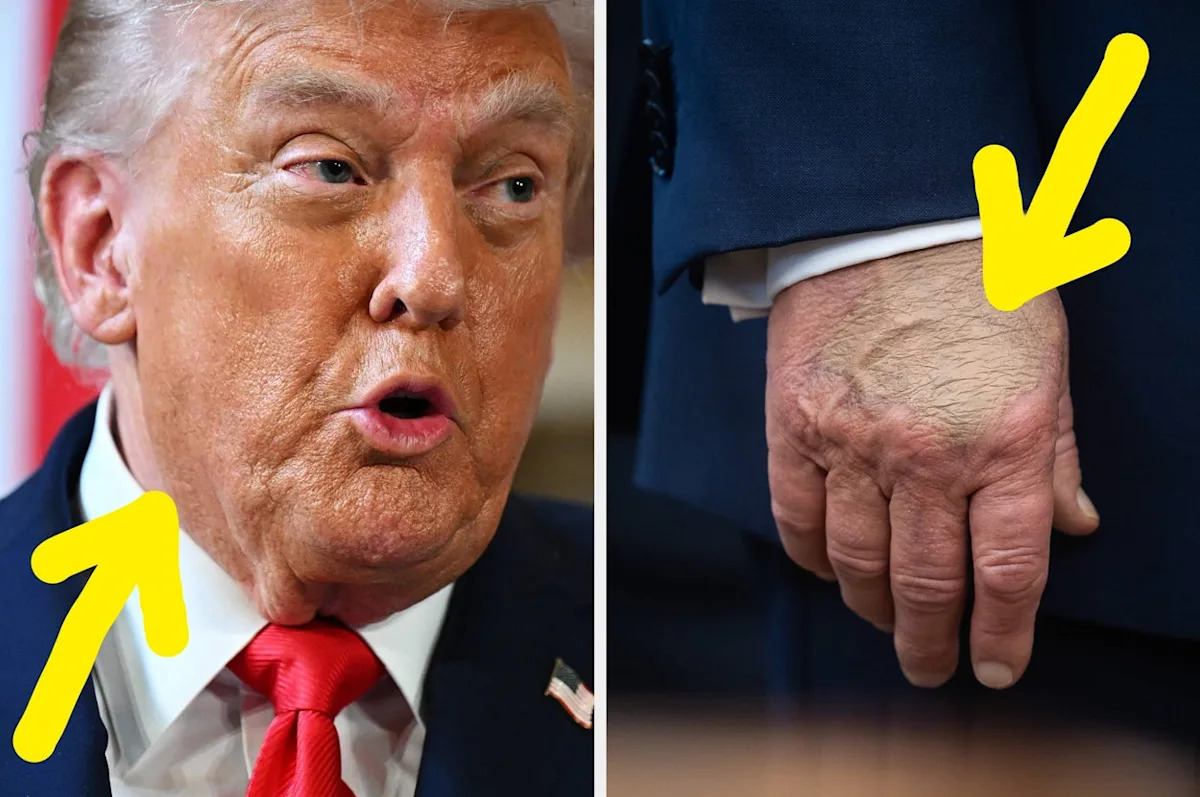
Even seasoned makeup enthusiasts can encounter challenges when applying tanner or makeup. Bryan Cantor, a celebrity makeup artist, emphasizes the importance of matching your foundation shade to your undertone, highlighting how a mismatch can detract from your overall look. Moreover, Trina Eibon, an industry expert from IONIQ, points out that bright lighting can amplify small mistakes, particularly the common face-to-neck gradient error seen in traditional tanner applications.
The Importance of Matching Undertones
According to Eibon, a self-tanner’s color can shift towards orange when it does not align with your skin’s pH. This can lead to unnatural results, particularly if your tanner doesn’t match your specific skin tone. When applying self-tanner or makeup, Cantor suggests focusing on blending it on your neck and chest to ensure a cohesive skin tone across different areas of your body.
Blending Techniques for a Flawless Finish
To achieve a seamless look, blending is essential. Cantor advises applying tanner or foundation from your face down into your neck and ears. This helps to avoid stark contrasts between different skin areas. He also suggests paying attention to your hairline, particularly if you have a thin or receding hairline, as a dark foundation could create a sharp line against your untanned scalp.
Expert Application Techniques for Self-Tanner
Cantor’s recommended technique involves using a large, dense brush for buffing. He applies the product directly to the brush, disperses it evenly across his face, and then carefully blends it into areas like the ears and neck. This method not only promotes even coloring but also prevents the tanner from settling into uneven surfaces.
The Challenges of Hand Makeup
While makeup for hands can be appealing, Cantor warns against it due to potential transfer onto clothing. Spot-treating blemishes or age spots on the hands is often ineffective and can appear artificial. If hand makeup is necessary, Eibon recommends using a transfer-proof leg makeup specifically designed to cover imperfections.
Using Self-Tanner Effectively on Your Hands
When it comes to self-tanner applications on hands, Eibon emphasizes the importance of minimal product use. Feathering across knuckles and between fingers, followed by cleaning nails and cuticles, can yield a more natural appearance. Ultimately, blending and matching your skin tones can help maintain a sun-kissed glow as the seasons change.
This blend of artistry and care is key to achieving a beautiful, natural tan that enhances your appearance throughout the fall season.
