



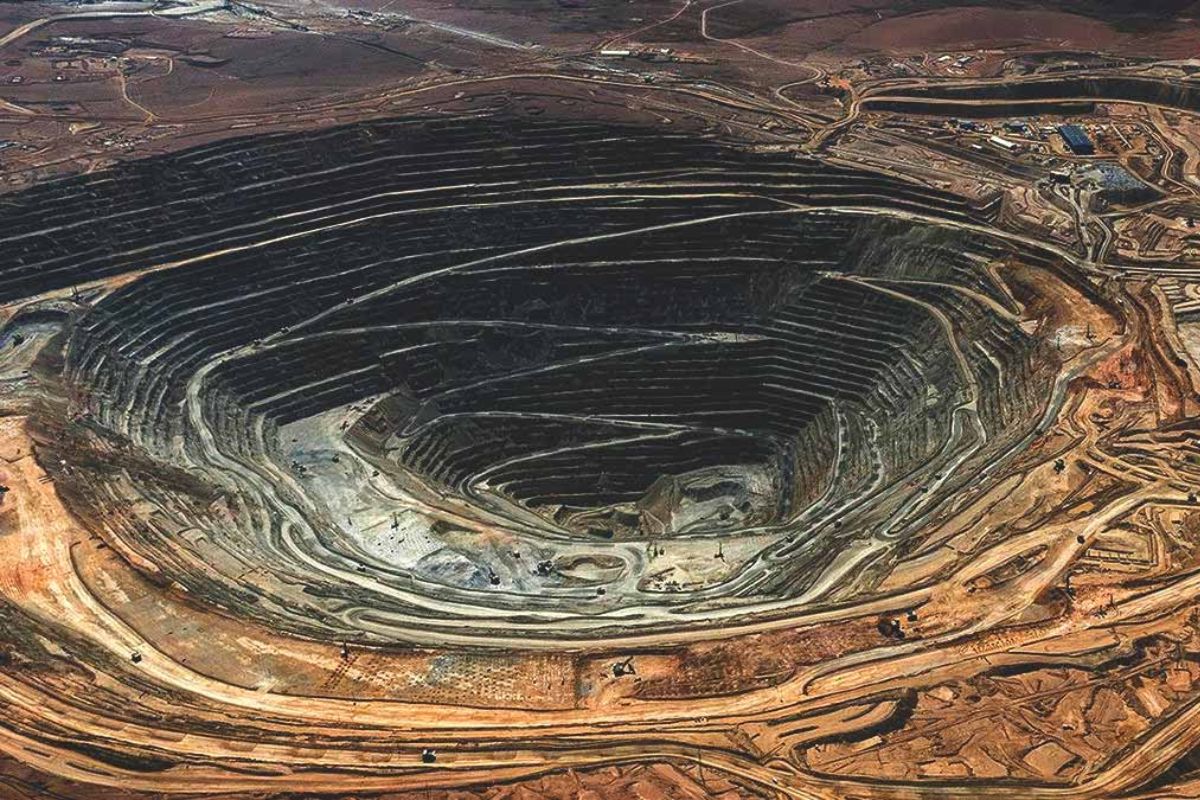
A Significant Lithium Discovery on the Oregon-Nevada Border
A groundbreaking discovery by geologists has unveiled a massive lithium deposit located on the border between Oregon and Nevada. This resource, valued at approximately $1.5 trillion, could transform the United States’ clean energy initiatives and ignite a new era in battery manufacturing.
Insights from Geological Assessments
Initial surveys reveal exceptionally high-grade lithium concentrated in mineralized zones associated with ancient volcanic activity. This previously overlooked geological landscape, comprising volcanic plains and ranchlands, now represents a vital asset for the U.S. mineral resource strategy.
The Unique Mineral Composition
Core samples indicate that lithium occurs in zinnwaldite, a type of mica that can be processed using more efficient techniques compared to traditional clay-rich deposits. The surrounding geological formation is believed to be the weathered remnants of a caldera, where volcanic fluids have formed concentrated mineral veins over time.
Boosting America’s Battery Supply Chain
This domestic lithium source has the potential to enhance U.S. electric vehicle (EV) production capabilities and stabilize the burgeoning battery supply chain. The automotive industry has been grappling with raw-material shortages and fluctuating lithium prices driven by global demand and political factors.
Local Economic Development & Employment Opportunities
Communities bordering this lithium deposit are preparing for phased development that intentionally avoids the traditional boom-and-bust cycles typical of mining operations. The initial exploration phase is expected to create hundreds of jobs, while infrastructure investments may require thousands of skilled workers, positively impacting local economies.
Environmental Considerations in Lithium Extraction
Conventional lithium extraction methods often consume excessive water and leave significant environmental footprints. Therefore, operators are exploring innovative direct-lithium extraction techniques, selective leaching, and closed-loop systems to minimize environmental impact and recycle essential inputs.
Transformative Technology in Lithium Mining
Miners and researchers are testing modular processing plants that can scale progressively, thereby reducing initial disruptions and diversifying risks. Advanced technologies, including real-time spectral mapping and machine-learning models, promise more efficient mining practices, ultimately optimizing resource recovery and minimizing waste.
Shifting the Global Lithium Landscape
Currently, major lithium supplies come from countries like Australia, Chile, China, and Argentina. This discovery in the U.S. could realign global lithium supply dynamics, offering manufacturers more stable and strategic options for long-term contracts and compliance with domestic content regulations.
Policy Framework and Community Engagement
The success of this endeavor hinges on regulatory efficiency, community consultations, and adherence to environmental standards. Balancing expediency with environmental safeguards will be crucial for securing the necessary permits and public approval.
Looking Toward a Sustainable Future
This significant lithium find represents a pivotal moment at the intersection of energy innovation, industry growth, and environmental responsibility. If guided by scientifically informed practices, this deposit has the potential to create a robust supply chain while preserving the delicate ecological balance of the region. The future is bright, promising cleaner transportation solutions, a dependable electrical grid, and job creation in an area poised to play a crucial role in the global transition to sustainable energy.
