



Closure of Community Health Center in Franconia Raises Concerns for Residents
FRANCONIA, N.H. (AP) — In a small ski town nestled in New Hampshire’s White Mountains, the closure of the Ammonoosuc Community Health Services has left residents grappling with uncertainty. For over two decades, Susan Bushby, a 70-year-old housekeeper, found reassurance in the accessibility of the community health center, where personalized care was the standard.
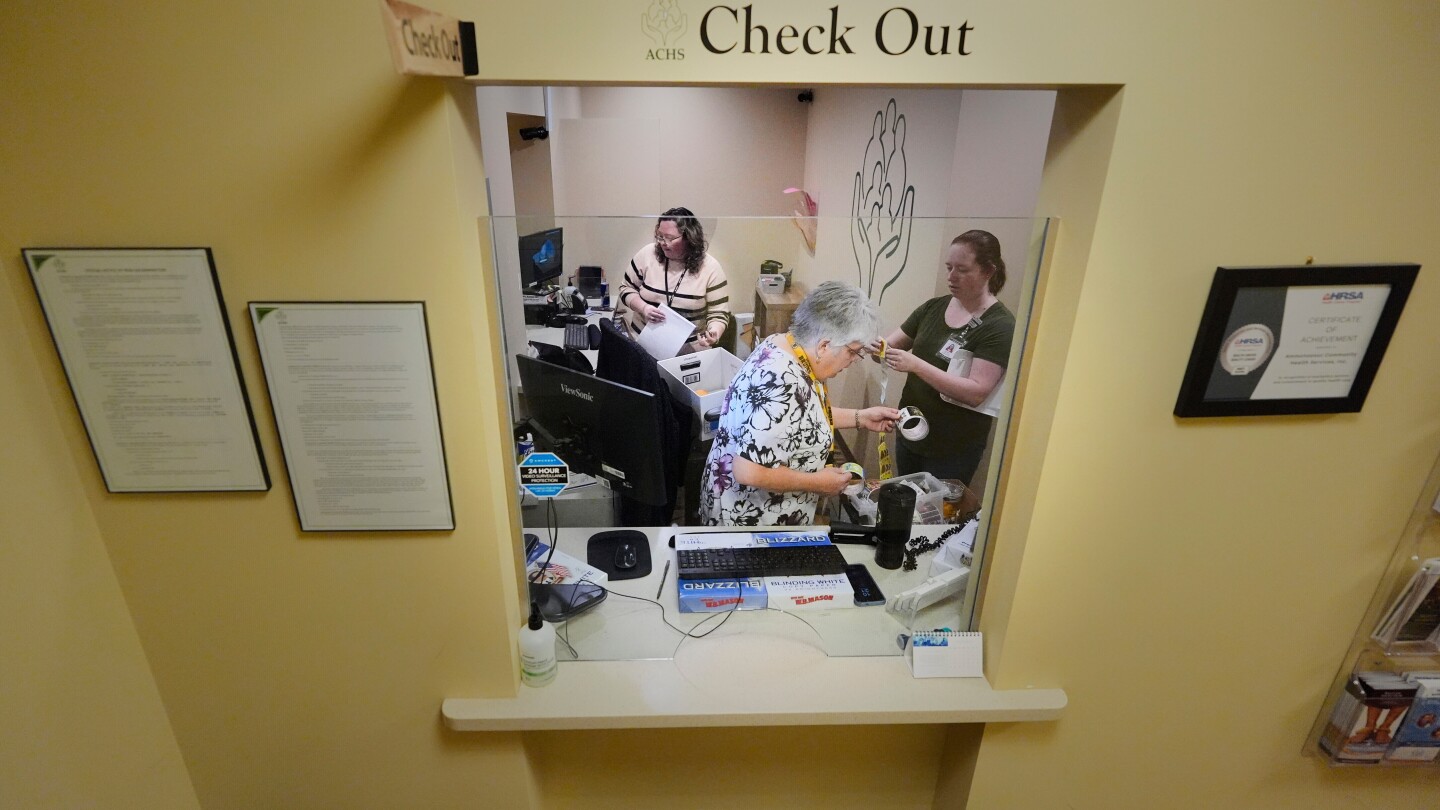
The medical facility, with its lodge-like architecture and welcoming environment, had become a second home to many residents. Staff members recognized patients by name and celebrated significant milestones like birthdays and anniversaries. Unfortunately, last month, this essential healthcare hub shuttered its doors for good, deeply affecting the community of around 1,000 people.
Impact of Medicaid Cuts
Officials attribute the closure to significant Medicaid cuts, affecting low-income Americans reliant on government funding for healthcare access. Approximately 1,400 patients, many of whom are elderly or facing serious health challenges, now face arduous journeys of at least 10 miles to reach nearby health centers. The nearest facility is located close to a regional hospital, while another is located even further away.
As Bushby expressed her frustration, she shared her emotional attachment to the center, stating, “I was very disturbed. I was downright angry.” Starting over at a new health center is especially daunting for patients who had built deep-rooted relationships with their healthcare providers.
Healthcare System in Crisis
The closure reflects a growing crisis within community health centers, which are now grappling with financial hurdles intensified by Medicaid funding reductions. With over 100 hospitals having closed across the nation over the past decade, a staggering 700 more facilities are reported to be at risk of shutting down. New Hampshire Senator Maggie Hassan emphasized the devastating repercussions these cuts have on rural hospitals and community health providers.
Community Response and Concerns
Residents like Marsha Luce are particularly concerned about the toll on vulnerable populations. Her husband, a former volunteer firefighter battling cancer and heart issues, now faces the challenges of longer wait times and the loss of long-standing patient-provider relationships. “It’s going to be hard,” Luce stated, highlighting the emotional connections cultivated over years within the local healthcare system.
The Future of Rural Healthcare
Despite efforts to expand federally-funded health centers, they continue to face cash flow issues, often running at a loss. Data from the National Association of Community Health Centers indicates that many centers are operating with less than 90 days of cash reserves. The predicted loss of Medicaid coverage for millions in the coming years adds to the looming uncertainty for rural healthcare systems.
Final Days at the Clinic
The atmosphere surrounding the clinic’s final day was filled with sorrow and nostalgia, yet there were no grand farewells or celebrations. As closures like these become more common, the emotional impact on communities is profound. “To have to pull out of a community is devastating on a relational level,” said Ed Shanshala, the CEO of Ammonoosuc, as he acknowledged the deep connections patients felt with their healthcare providers.
Conclusion: Seeking Solutions
The compassionate care and personal connections developed at the Franconia health center will be sorely missed by many. As concerns grow regarding the viability of healthcare services in rural areas, the community is left to ponder the future of their healthcare system and what steps can be taken to ensure access remains a priority, even amid economic challenges.
___
The Associated Press Health and Science Department receives support from the Howard Hughes Medical Institute’s Department of Science Education and the Robert Wood Johnson Foundation. The AP is solely responsible for all content.
