



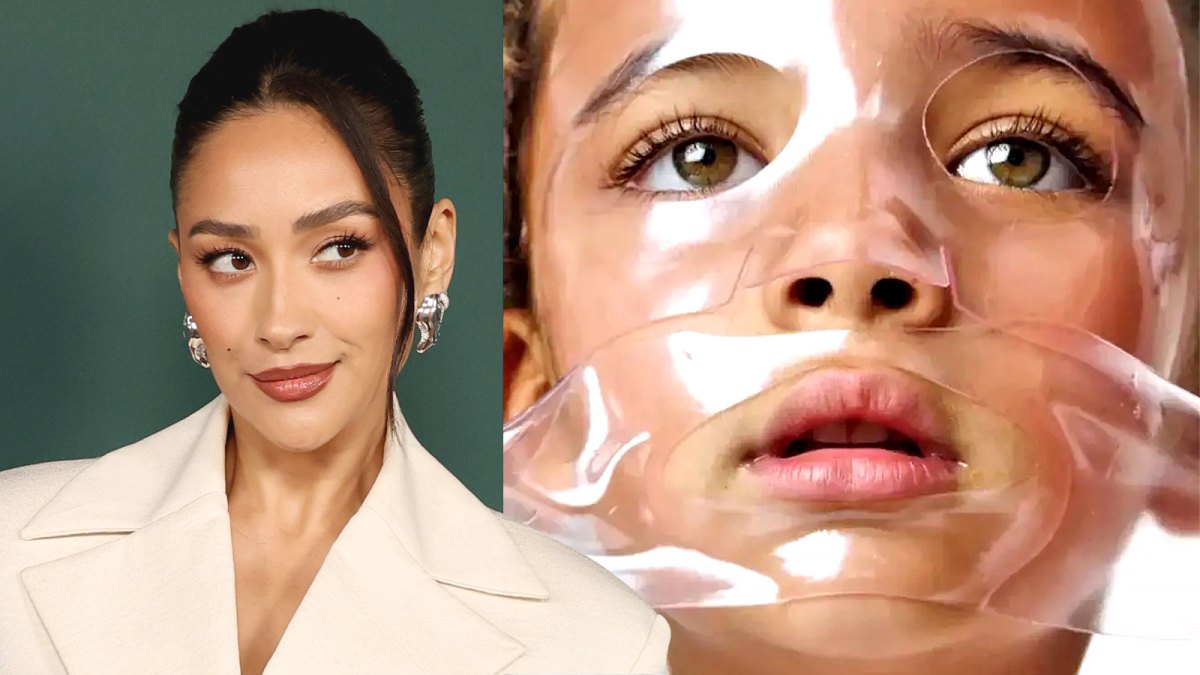
Children’s Skincare Trends: A Dystopian Concern
Dermatologists have raised alarms about a growing trend in the skincare industry: brands are now targeting children and toddlers with various products, including face masks and creams. This emerging market has sparked concerns about the potential implications for young children’s mental and physical health.
Celebrity Influence in Children’s Skincare
Shay Mitchell, best known for her role in the television series Pretty Little Liars, has launched a range of skincare products called Rini, designed specifically for children aged three and up. With over 35 million followers on Instagram, Mitchell’s influence may amplify the trend among young audiences.
The Risks of Early Skincare Routines
Social media has fueled a troubling fascination among pre-teens with complex skincare routines. Experts warn these rituals are generally unnecessary and pose risks of irritation to sensitive young skin. For instance, Baby Dior introduced a luxury skincare line for children, charging over £100 for products aimed at very young children.
Expert Opinions on Skincare for Kids
Dermatologists caution that promoting skincare routines at such a young age could lead to anxiety and an unhealthy obsession with appearance. Dr. Amy Perkins highlights the danger, stating, “This is not childhood. This is the beauty industry expanding its reach.” She urges parents to foster a healthy relationship with their children’s skin, suggesting that concerns should be addressed through medical advice rather than consumer products.
The Appropriate Approach to Children’s Skincare
Instead of marketing beauty products, dermatologists recommend a focus on basic skincare needs. Dr. Emma Wedgeworth notes that children’s skincare should remain functional: gentle cleansing, moisture if needed, and sun protection without overcomplicating the process. “Children need playtime and imagination, not beauty routines,” she emphasizes.
Addressing Body Image Concerns
Dr. Anjali Mahto warns against the adverse effects of introducing sophisticated skincare at a young age. There’s a risk of developing body dysmorphia and a ‘fixing’ culture. “Children should not feel the need to address something that is already biologically excellent,” she explains. Emphasizing sunscreen and mild cleansers, she advocates for protecting children’s skin while allowing them the freedom to enjoy their childhood.
The Social Media Impact
With brands popular on platforms like TikTok—such as Drunk Elephant and Rare Beauty—dermatologists report an increasing trend of young consumers asking for anti-ageing products often marketed to adults. Some teenagers are even experimenting with strong ingredients like retinol, originally designed for mature skin, raising further concerns about the appropriateness of these products for youngsters.
