



Bihar’s Political Paradox and the Path to Transformation
Bihar stands as a paradox, a state where tradition and modernity coexist in a delicate balance. Despite its historical baggage of caste dynamics and developmental challenges, Bihar’s political landscape exhibits a persistent vibrancy. While the region’s societal codes are tightly knit, its political sphere offers a battleground of ideas. As Bihar approaches the 2025 elections, it faces the challenge of reconciling its historical context with the pressing demands for progressive change.
A Historical Context of Political Stagnation
The roots of Bihar’s political paradox can be traced back to its governance history. For much of the 20th century, the Congress party dominated, but its tenure left underlying issues unresolved. Structural vulnerabilities, such as recurrent flooding and widespread poverty, persisted with little systemic improvement. In the 1970s, Bihar represented nearly 14% of India’s poor, despite being home to less than 8% of the country’s population. This stagnation bred disillusionment, setting the stage for significant political upheaval.
The Rise of the Janata Movement
The Janata Party’s overwhelming success in the 1977 assembly elections marked a pivotal shift in Bihar’s political narrative. This victory, driven by Jayaprakash Narayan’s call for “Total Revolution,” infused moral imperatives into governance. Karpuri Thakur’s leadership redefined social justice in the state, emphasizing dignity and representation. This marked a transition where the redistribution of dignity became the precursor to redistributing opportunities.
The Mandal Era and Caste Dynamics
The Mandal Commission era brought with it a complex restructuring of caste politics in Bihar. With over 50% of the state’s population belonging to the Other Backward Castes (OBCs), the political landscape became increasingly competitive. Caste identity evolved from a tool for social correction to one of patronage and power consolidation. This shift dramatically reshaped political alliances, with empowerment transforming into assertive identity claims.
Nitish Kumar’s Governance Model
Nitish Kumar emerged in 2005, advocating a governance model that promised social justice. His administration succeeded in stabilizing law and order, improving educational participation, and expanding essential infrastructure. While Bihar experienced noticeable economic growth, the lag in per capita income highlighted a dependence on state welfare rather than market-driven progress. This nurtured an enduring belief in government-led solutions, solidifying existing social justice paradigms.
The Role of Women in Bihar’s Political Landscape
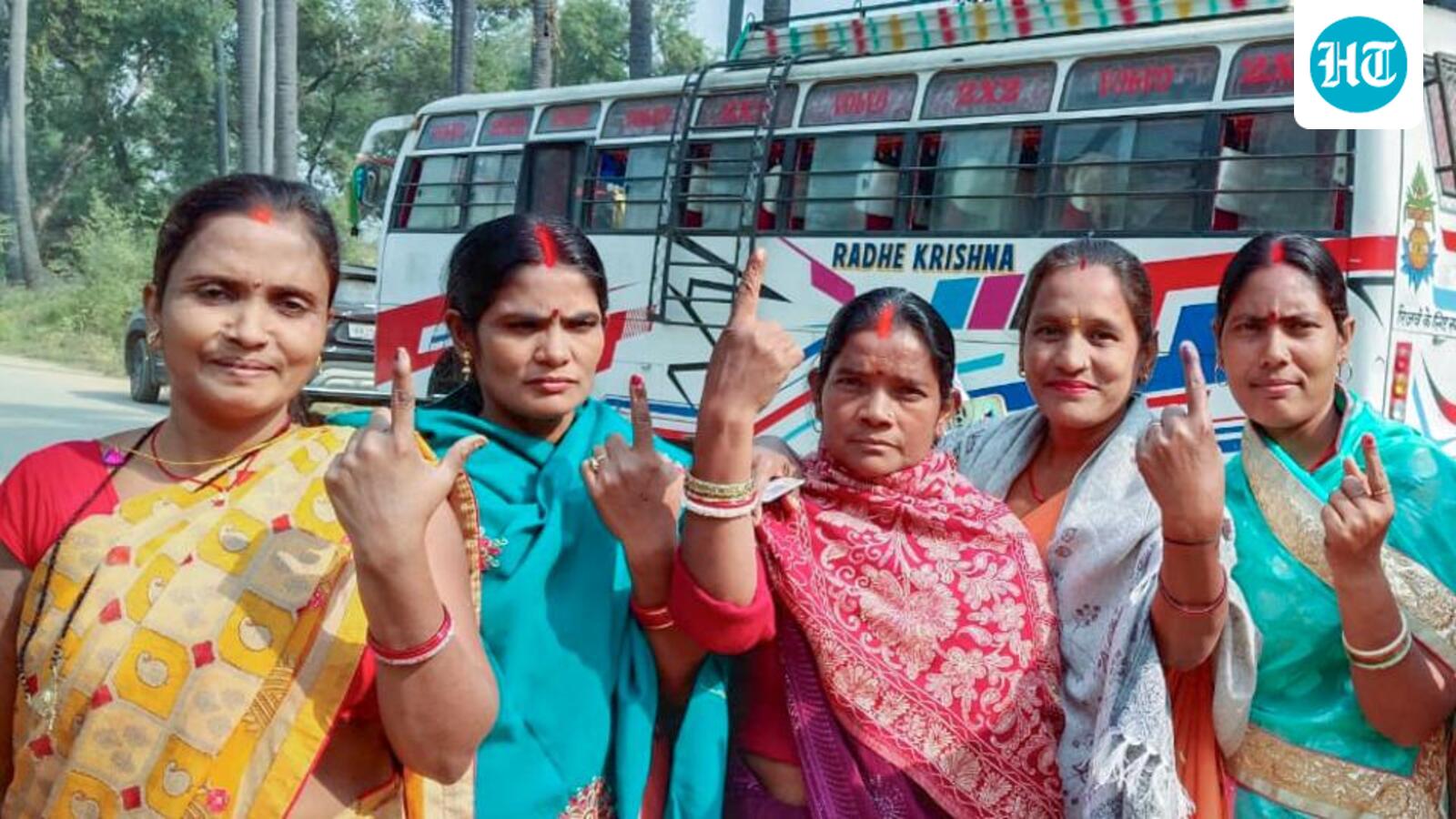
Women have become a vital force in Bihar’s electoral process, often outnumbering men at the polls since 2010. Policies implemented by Nitish Kumar not only benefited women but also empowered them as active political participants. However, despite high turnout and mobilization through initiatives like the Jeevika network, women continue to be underrepresented in leadership roles. This results in a unique feminist paradox where they serve as the backbone of political engagement without holding significant power.
Looking Ahead: The 2025 Elections and Beyond
As Bihar prepares for the 2025 elections, underlying tensions between traditional welfare frameworks and the need for economic innovation become apparent. Although Bihar has produced substantial inter-state migration, it has not approached migration as a developmental challenge but rather as a cultural norm. This reluctance to embrace economic reforms continues to inhibit the state’s progress.
Ultimately, Bihar’s journey is one of political experimentation juxtaposed with economic reticence. As it navigates the complexities of social justice and welfare, the pressing question remains: Is Bihar ready to redefine its economic landscape in ways it has previously avoided? The state’s future lies in its ability to blend its rich political history with a bold economic vision.
