



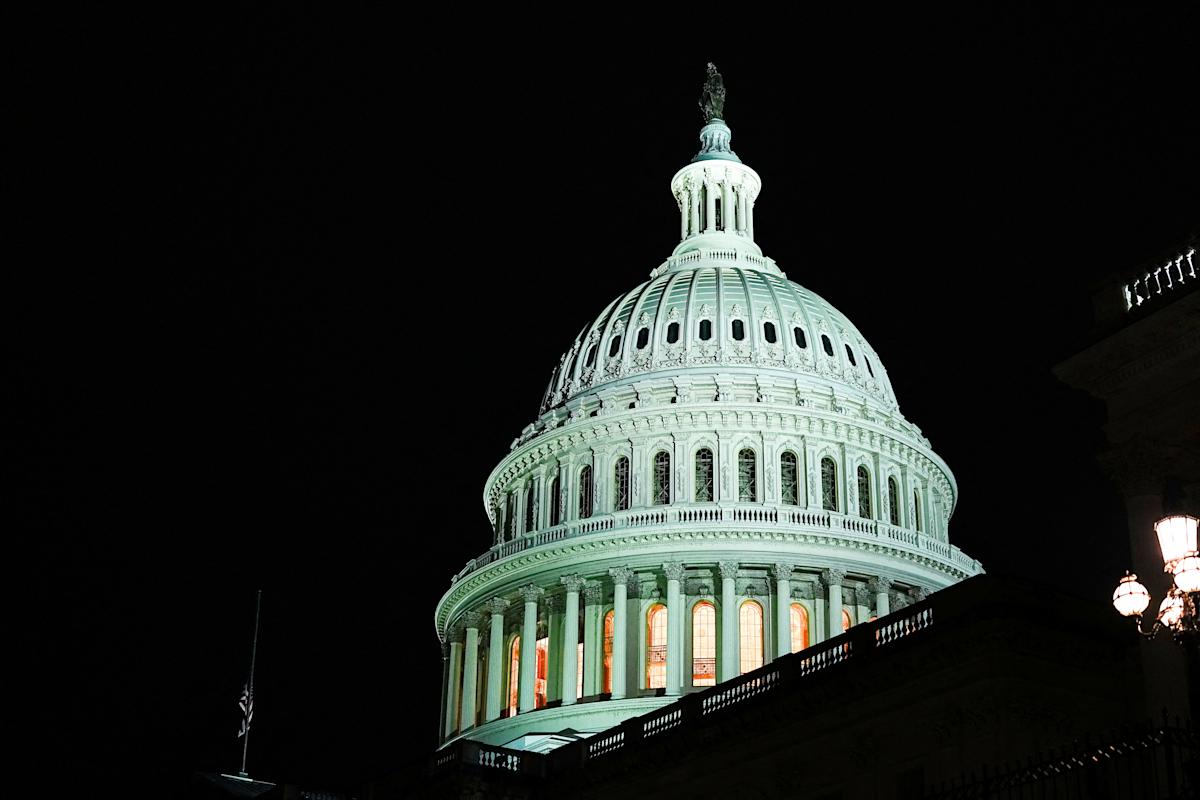
Historic Government Shutdown Ends with New Legislation
A deal to conclude the recent government shutdown has been formally enacted, following its approval by the House of Representatives and prompt signing by President Trump. This marks the longest government shutdown in U.S. history, lasting a total of 43 days.
Vote Outcomes and Promises
The legislative vote passed narrowly with a tally of 222-209. Earlier in the week, President Trump expressed optimism, stating, “We’ll be opening up our country very quickly,” as discussions progressed towards a resolution.
Key Provisions of the New Bill
The newly passed bill ensures back pay for federal workers while maintaining government operations until January 30. Additionally, it allocates funding for essential federal programs, including the Agricultural and Veterans Affairs departments, for the entirety of the fiscal year. Furthermore, it introduces measures to limit the president’s ability to terminate federal employees.
Senate Approval and Economic Repercussions
Over the weekend, the Senate concluded the agreement and granted final approval by a vote of 60-40. As focus now shifts towards evaluating the economic impact of the shutdown, analysts predict significant effects that will likely be scrutinized for weeks to come. A recent analysis from the Congressional Budget Office estimated that this six-week shutdown could reduce fourth-quarter GDP growth by 1.5 percentage points before a quick recovery early next year.
Long-Term Economic Consequences
Looking ahead, experts estimate the prolonged shutdown will ultimately result in the U.S. economy being approximately $11 billion smaller by the end of 2026. The prolonged unavailability of economic data, such as the Consumer Price Index and job reports for October, may also have lasting ramifications, potentially impairing policymaking at a critical economic juncture.
Air Travel Disruptions Persist
In the wake of the shutdown, the airline industry continues to grapple with severe disruptions. Airports experienced thousands of flight cancellations daily as operations struggled to normalize. Air traffic controllers and TSA agents are set to receive back pay, but ongoing shortages threaten the stability of air travel in the long term.
Support for Vulnerable Populations
A key outcome of the new legislation is the immediate relief for roughly 42 million Americans whose Supplemental Nutrition Assistance Program (SNAP) benefits were previously in limbo. Payments are set to resume, ensuring that low-income families maintain food security — a crucial need as the government continues to rebuild from the shutdown’s impact.
