



The Final Penny: A Historic Shift in Currency
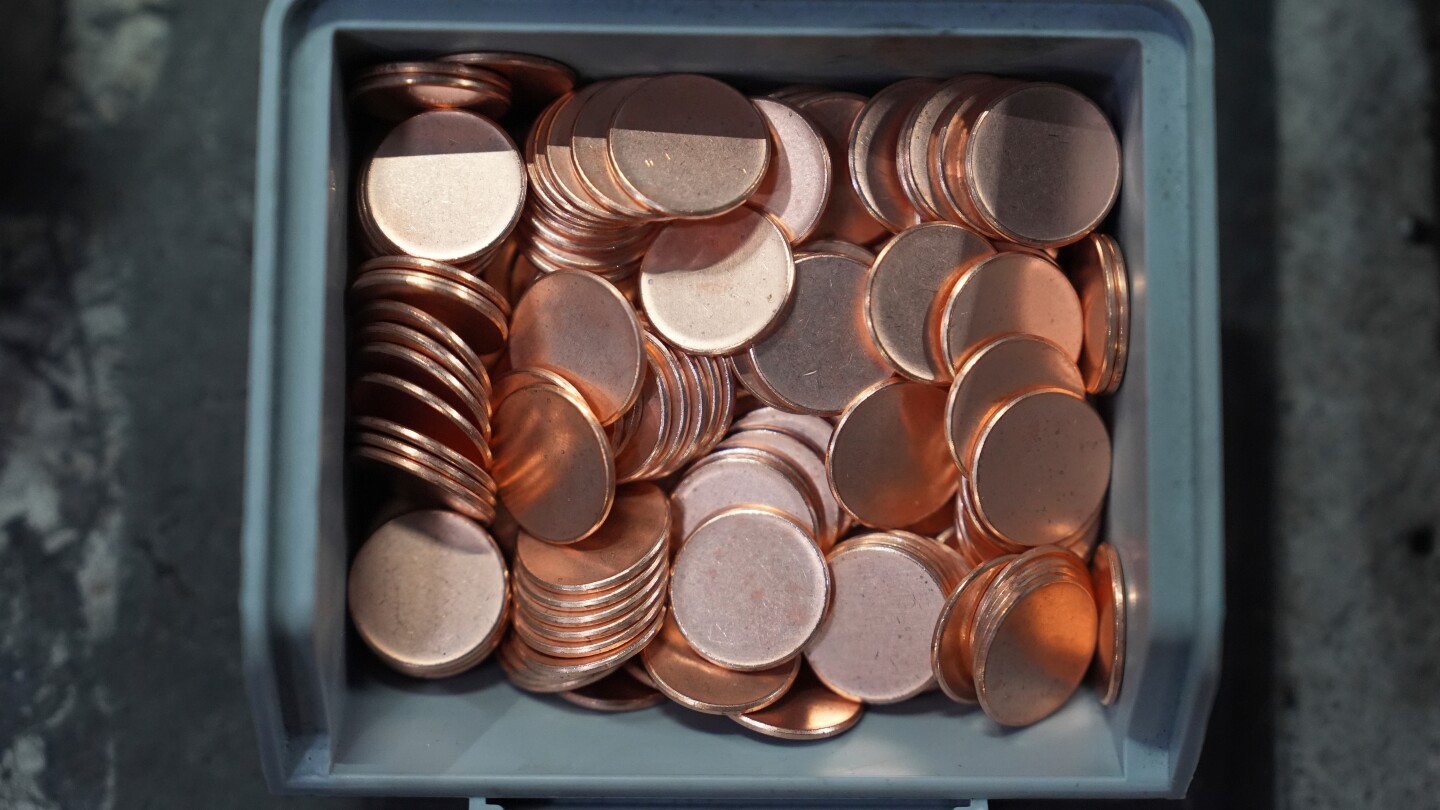
PHILADELPHIA (AP) — The U.S. Mint in Philadelphia is poised to produce its last circulating penny this Wednesday, marking the end of an era as the federal government has decided to discontinue the 1-cent coin.
Reasons Behind the Penny’s Demise
President Donald Trump has called for the elimination of the penny, citing soaring production costs that have reached nearly 4 cents per coin, alongside the decreasing relevance of the 1-cent denomination in today’s economy.
A Historical Legacy
The U.S. Mint has been striking pennies in Philadelphia, the birthplace of the nation, since 1793, following the Coinage Act passed by Congress. While billions of pennies currently circulate, they have become less essential for financial transactions in our increasingly digital world.
Nostalgia and Industry Concerns
Despite the move towards ending production, many individuals still harbor a nostalgia for pennies, viewing them as symbols of luck or collectibles. Retailers have expressed concerns as supplies dwindle and the final production nears, noting the abrupt transition lacks federal guidance on managing consumer transactions.
Responses from the Retail Sector
In light of the impending phase-out, some businesses are taking creative measures. Some are rounding prices down to accommodate customers, while others request exact change. Innovative approaches have emerged, including offering free drinks in exchange for a pile of pennies, demonstrating the unique ways retailers are adapting.
Expert Opinions on the Change
Jeff Lenard from the National Association of Convenience Stores has stated, “We have been advocating for the abolition of the penny for 30 years. But this is not how we envisioned the change.” This perspective highlights the complexities of transitioning away from cash-based systems.
The Economic Impact and Future of Currency
As the penny’s production ends, banks have started rationing coin supplies, an ironic response to what many see as an overabundance of pennies. In the past century, around half the coins minted in Philadelphia and Denver have been pennies, indicating a cultural reliance on this small denomination.
Final Thoughts on the Penny’s Legacy
U.S. Treasury Secretary Scott Bessent and Treasurer Brandon Beach are scheduled to attend the final production run in Philadelphia, estimating a savings of $56 million annually in material costs. While the penny costs more to produce than its actual value, it’s noteworthy that the nickel also faces production challenges, costing approximately 14 cents to make.
Reflecting on the past, a penny once held significant buying power, enough to purchase everyday items like biscuits or candy. Today, these coins often linger in drawers, overshadowed by modern currency methods. Coins, including the penny, serve as historical records, encapsulating over 200 years of societal progress and change. Frank Holt, an emeritus professor at the University of Houston, stresses the importance of coins in representing national identity, ideals, and aspirations.
